
New In
Faces & Figures
£ 304
/box
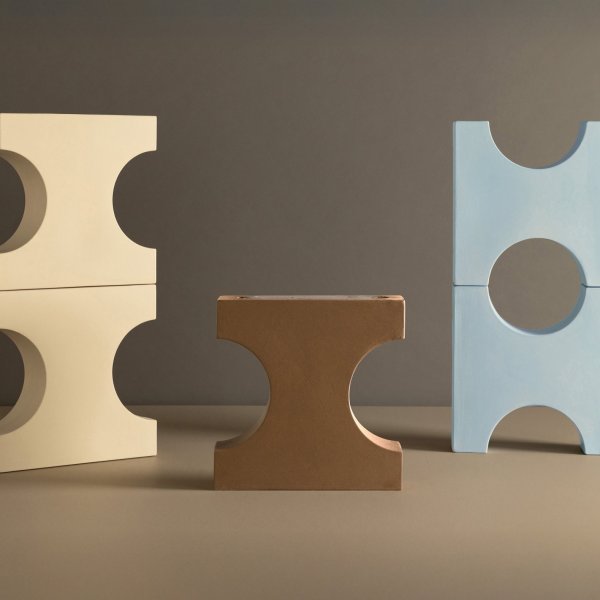
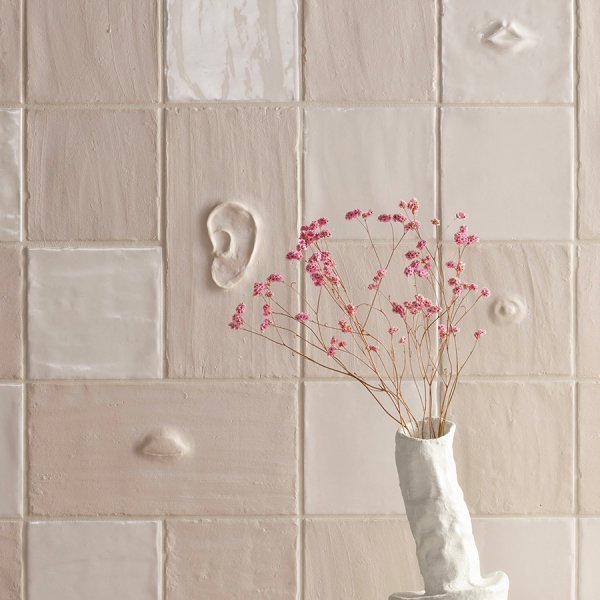
Two of the most respected names in British design — Barber & Osgerby — have a ceramic collection, and it is Italian: Mutina, the Fiorano Modenese house that since 2005 has asked the world's leading designers to work in porcelain stoneware. Urquiola, Grcic, the Bouroullecs, Van Duysen and Yoshioka complete the roster; production stays entirely in Italy, in the hands of the Modena district's master ceramicists, and since 2024 Mutina sits in Altagamma, the association of Italian high-end houses. In a workplace it earns its keep where judgement happens: reception, boardroom, directors' floor, executive washroom.
La Mercanti brings these surfaces into the same package as the furniture, so floor and desks are specified as one scheme rather than two contracts.
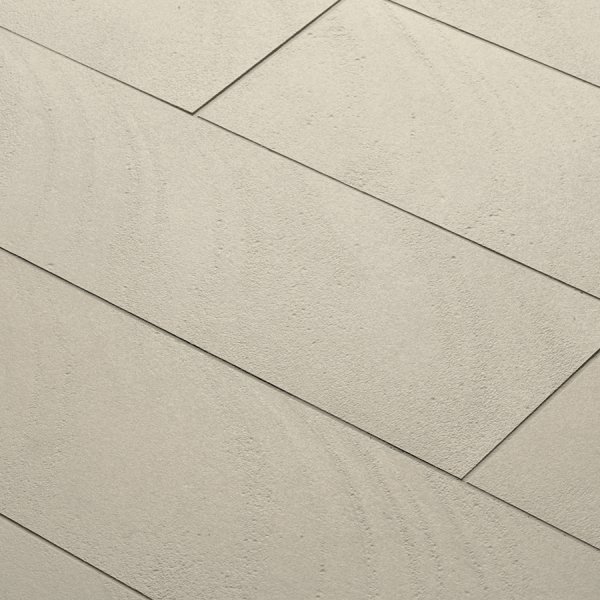
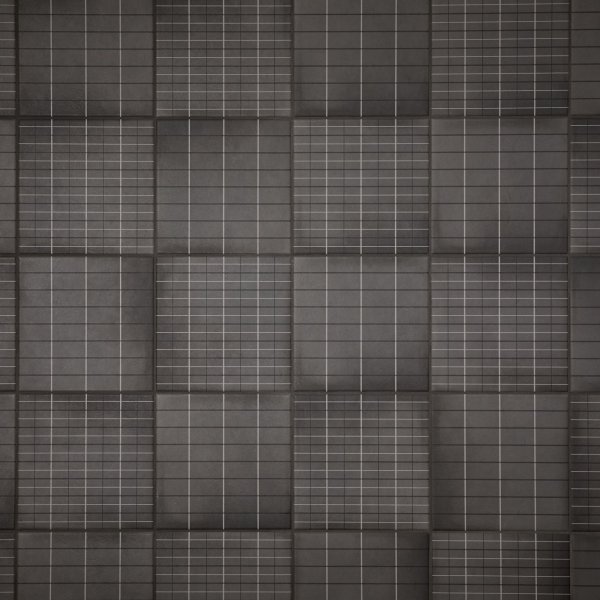
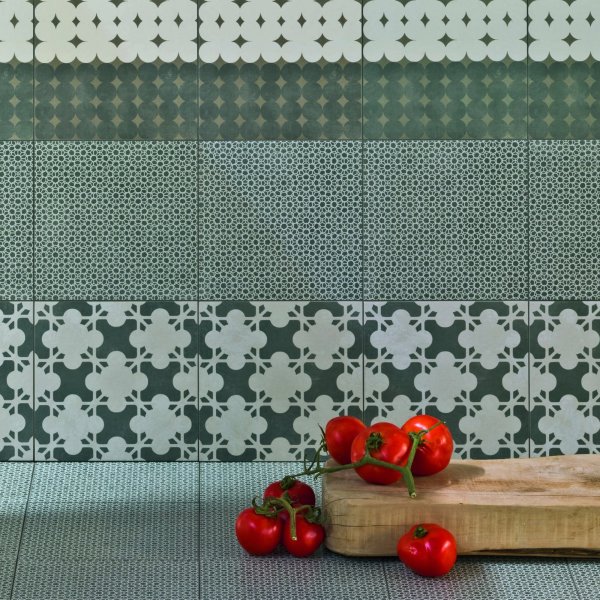
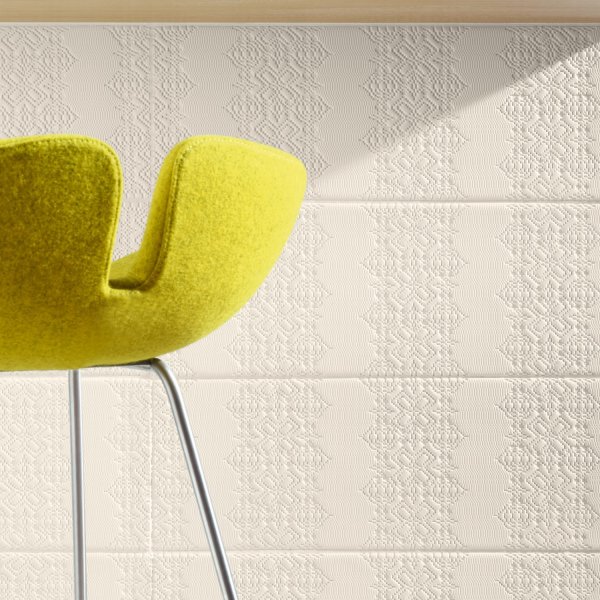
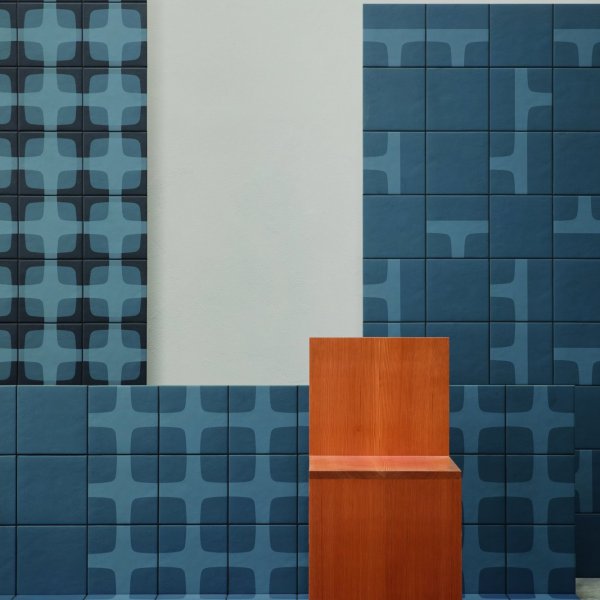
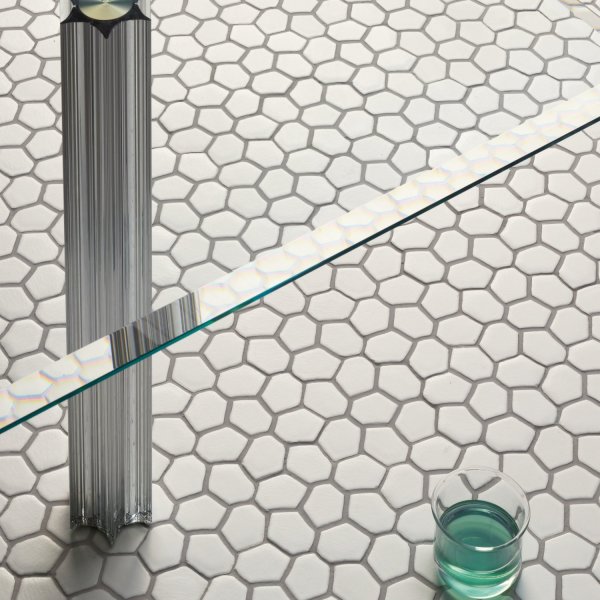
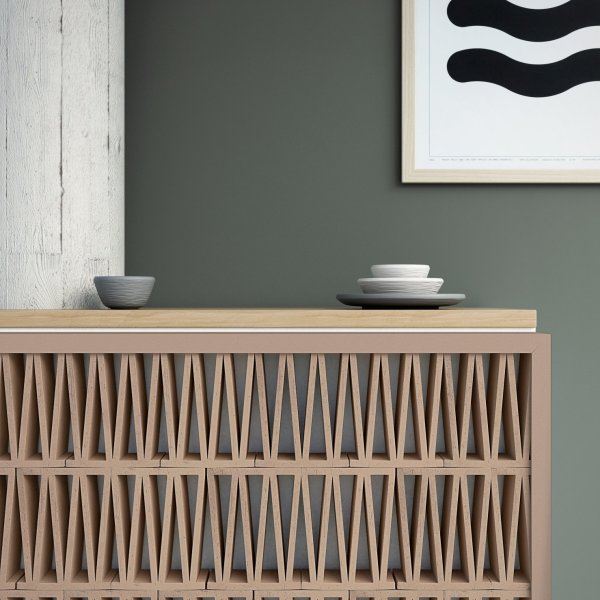
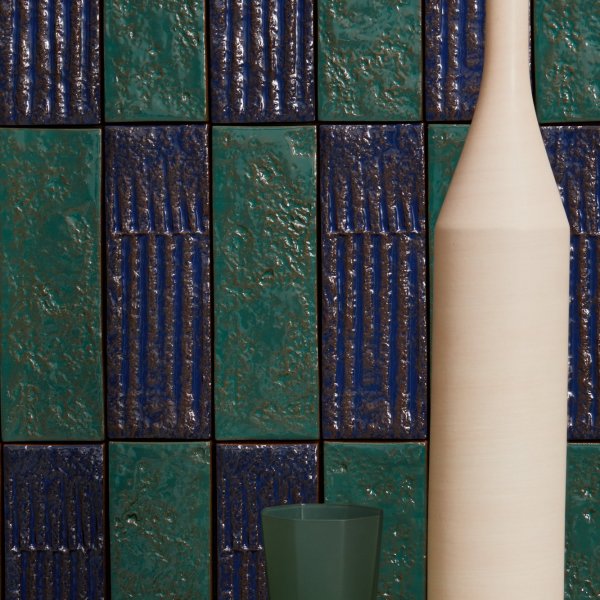
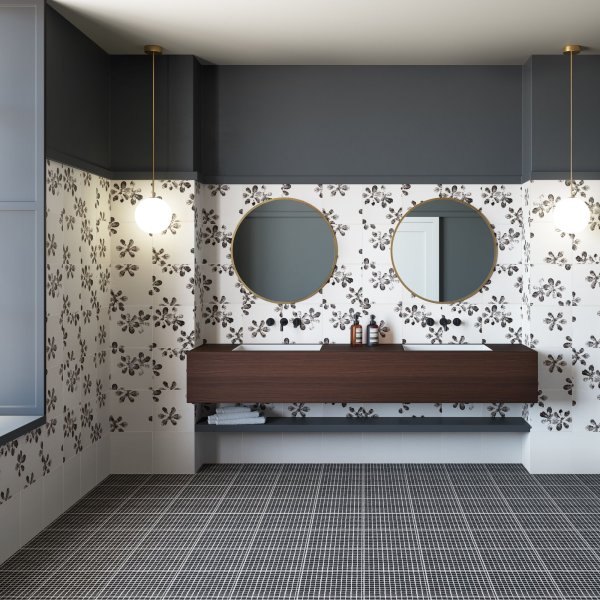
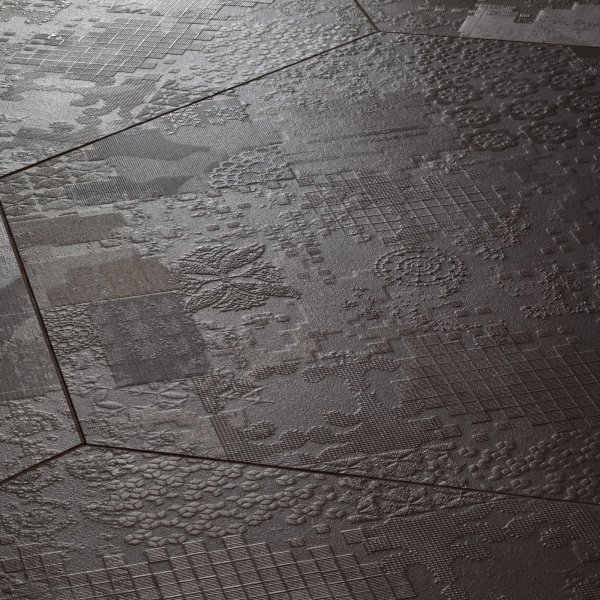
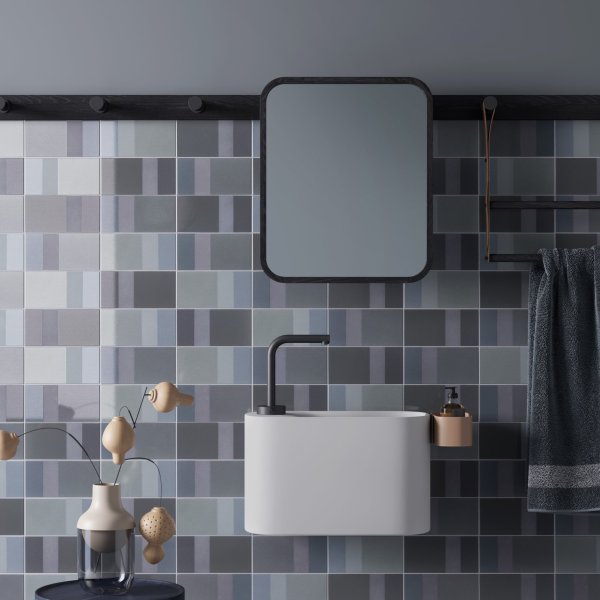
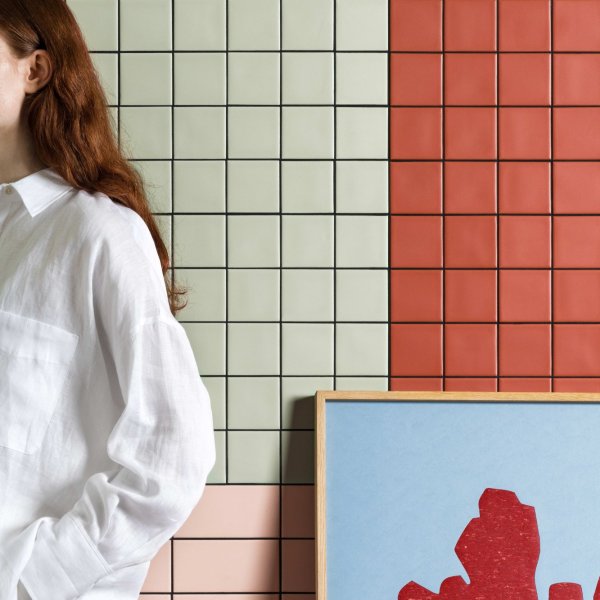
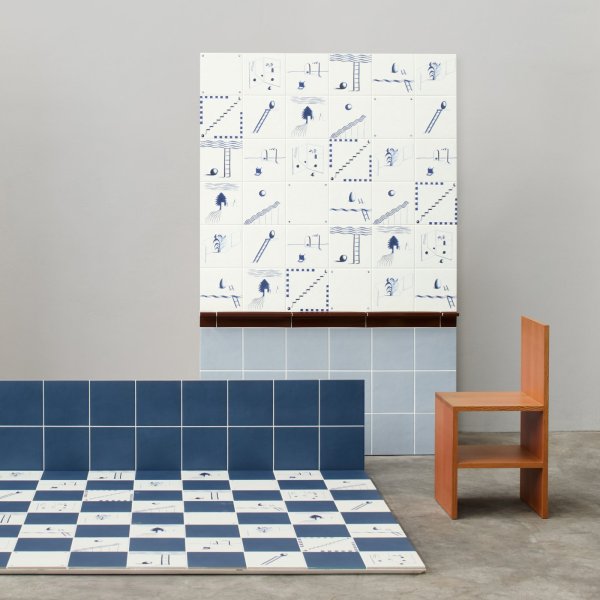
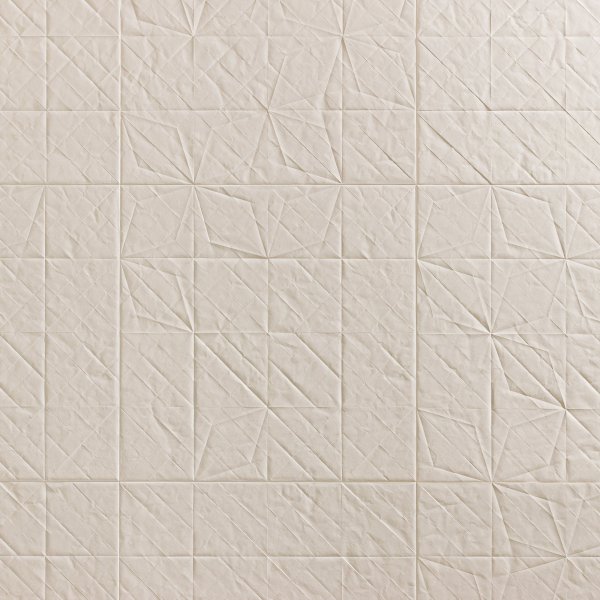
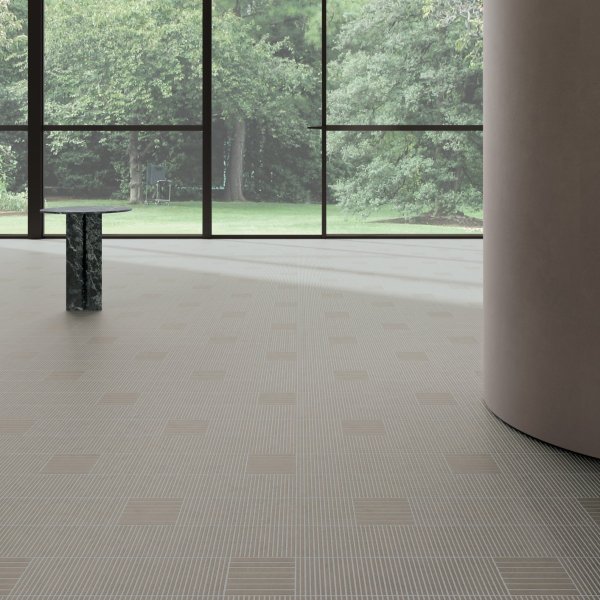
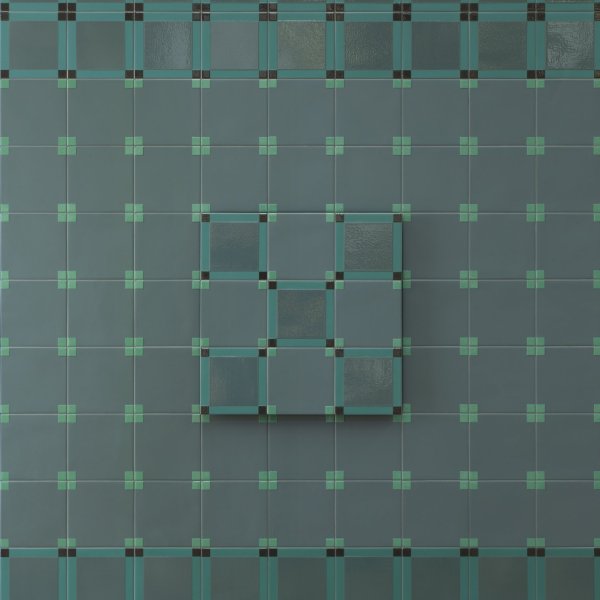
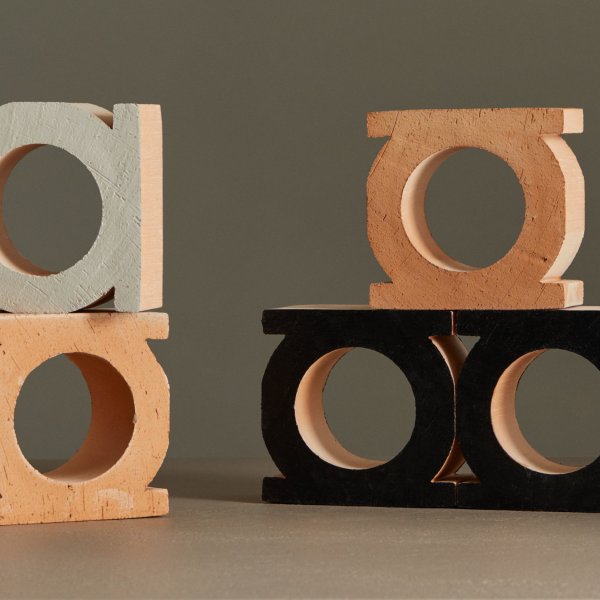
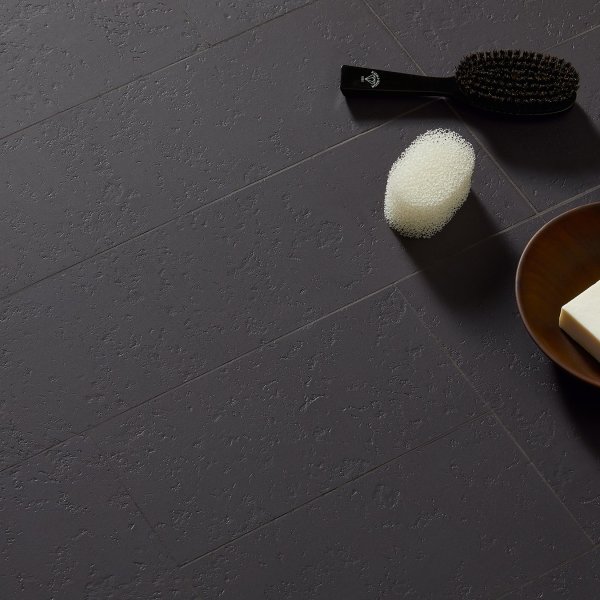
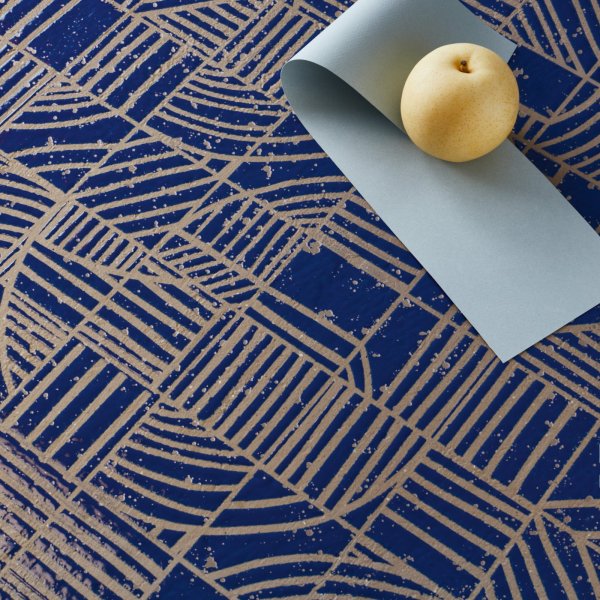
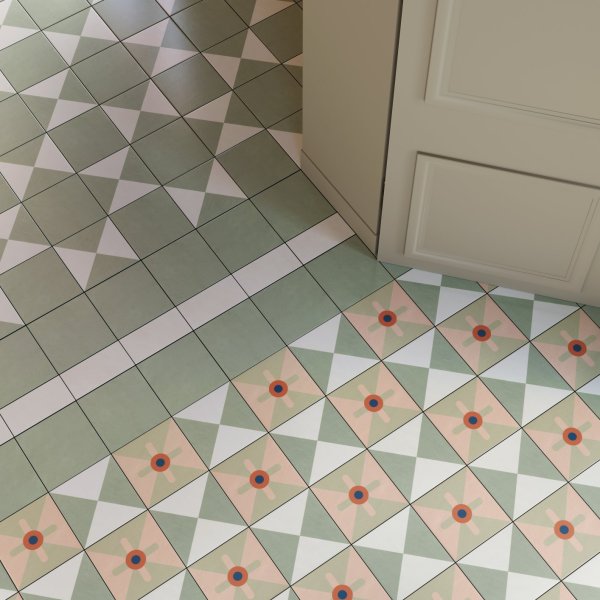
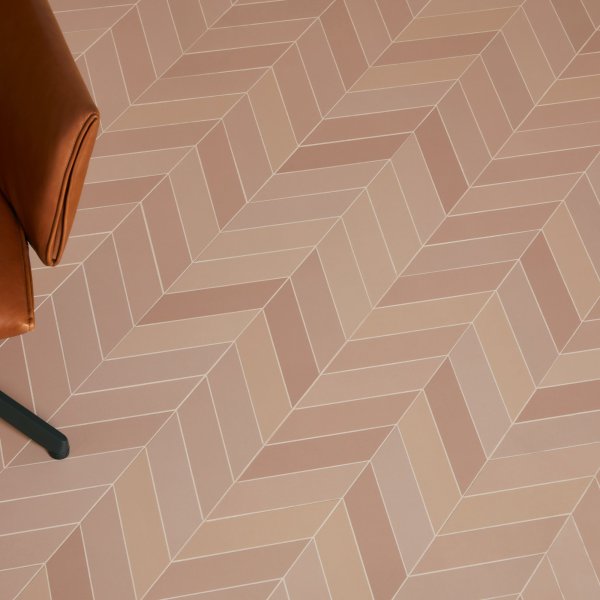
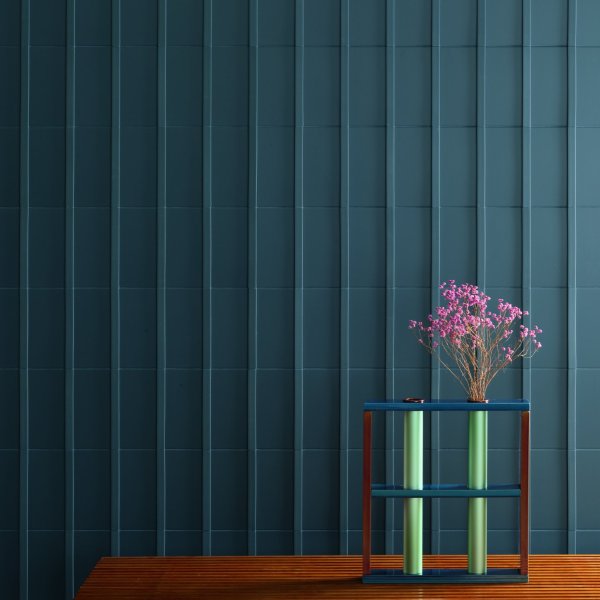
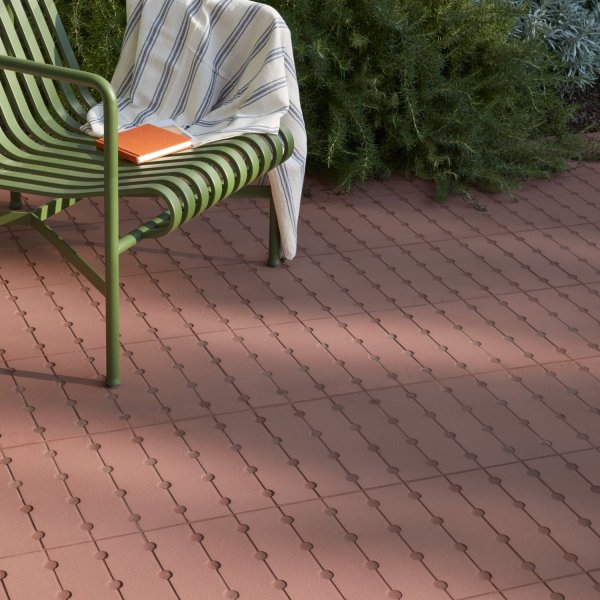
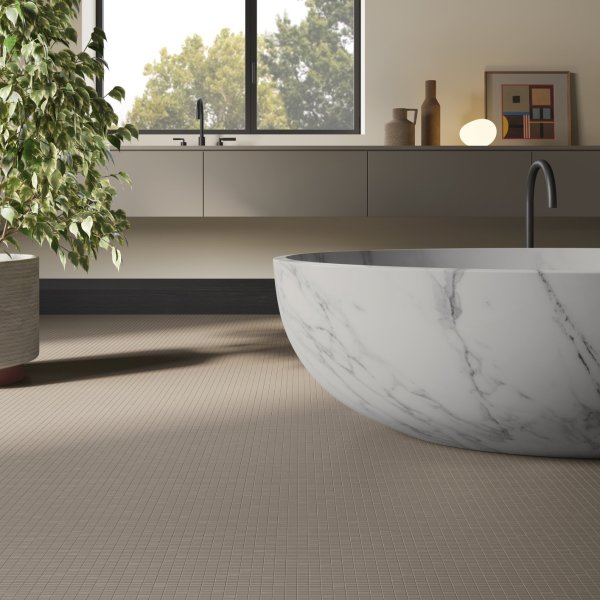
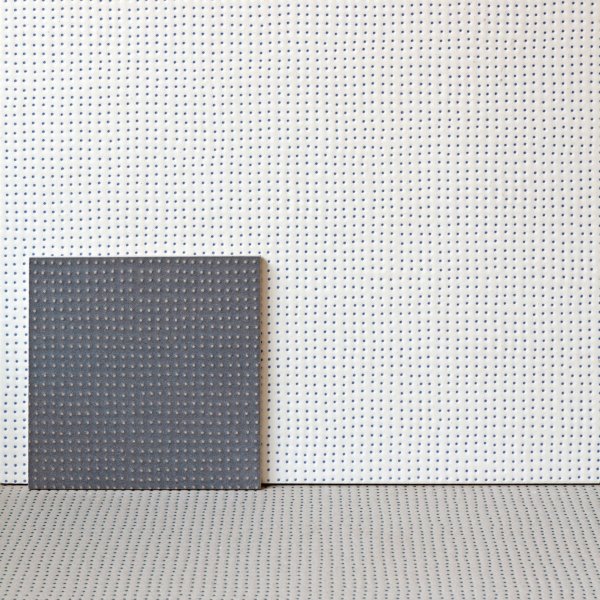
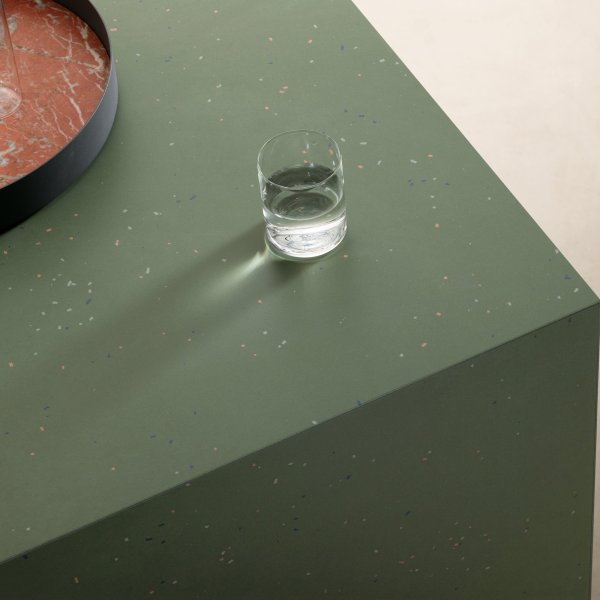

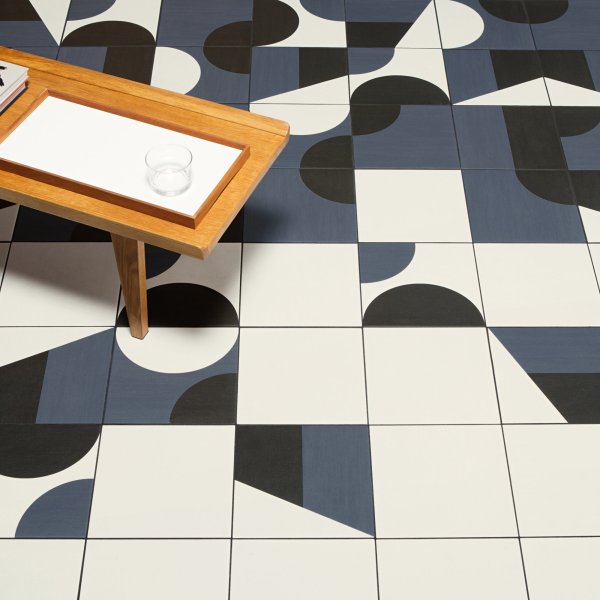
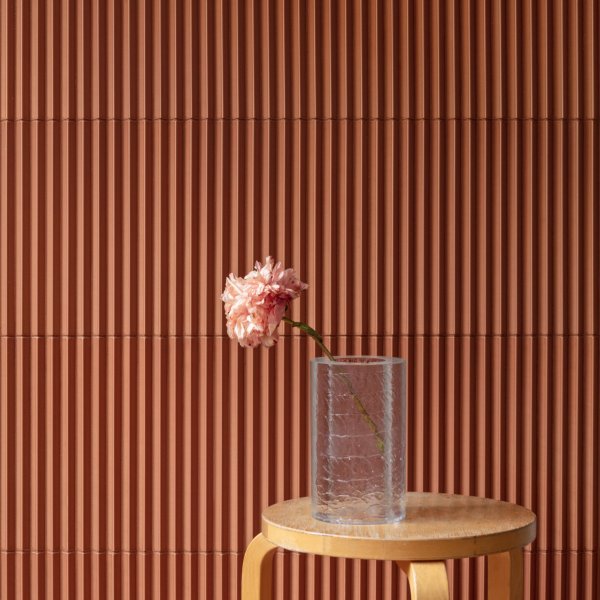
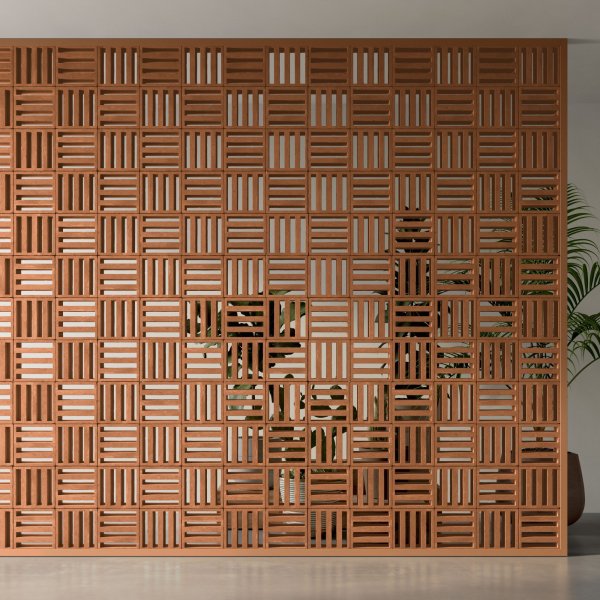
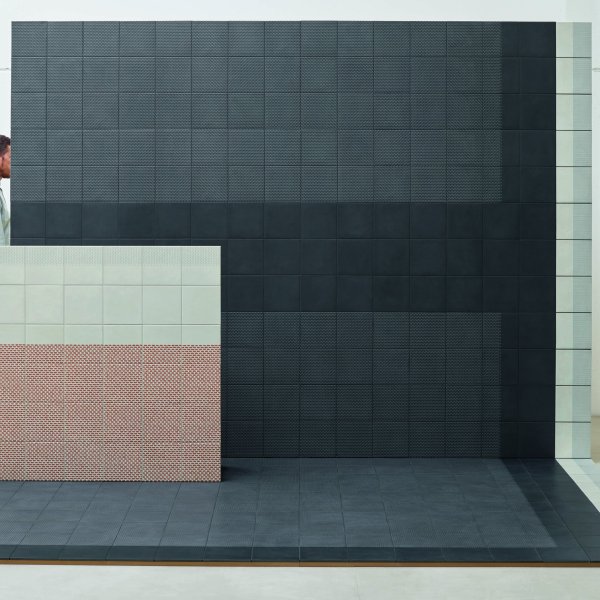
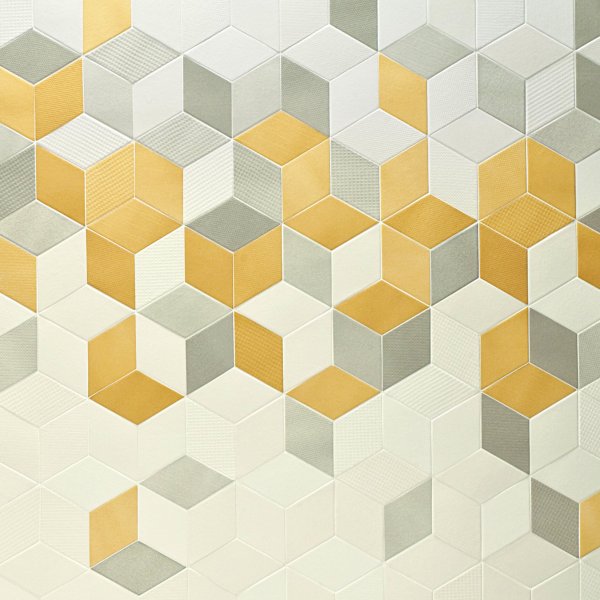
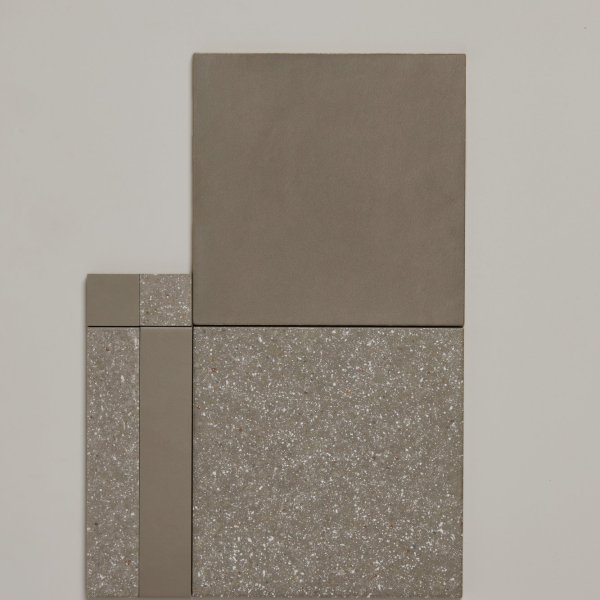
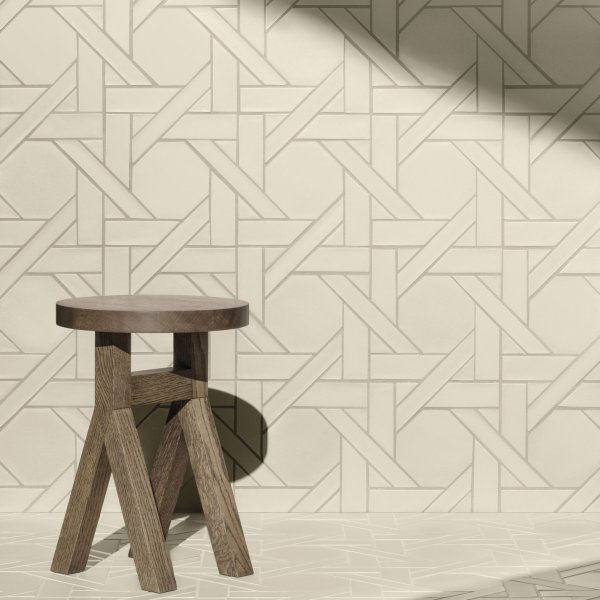
Because the surface of a prestige space is the first thing a client reads, and Mutina signs it with the designers who work for museums — Urquiola, Grcic, Bouroullec, Van Duysen. It is not only aesthetics: it is porcelain stoneware made in Italy by master potters, engineered to hold up under public traffic for decades. An anonymous floor is forgotten; an authored surface becomes how the company presents itself.
Where people arrive, pause and look: reception, executive washroom, boardroom, directors' floor, café, outdoor. That is where a surface becomes an asset. In service corridors, plant rooms or back-of-house it is money spent where no one sees it. La Mercanti's job is exactly this — concentrate the ceramic budget in the spaces the company shows, with the right collection for each, and leave standard contract tile for the rest.
For designers, directors and project teams: how a prestige ceramic pays off — from the spaces worth the spend to the laying.
Mutina earns its place where the company shows itself: reception, executive washroom, boardroom, café, outdoor. Mark these surfaces first; the rest of the building stays standard contract. It is the choice that separates impression from scattered spend.
Each Mutina designer has a voice: Patricia Urquiola warm and material, Konstantin Grcic graphic and spare, the Bouroullecs geometric, Vincent Van Duysen quiet and architectural. Pick the collection for the character of the room, not the prettiest sample in isolation.
Floor, wall covering, three-dimensional piece for a dividing screen, external surface: Mutina covers them all. The choice follows use — footfall, washroom moisture, outdoor exposure — before aesthetics.
Surface and furniture must speak to each other. La Mercanti moves surfaces and furniture as one scheme — nothing left to argue on site.
Order physical samples and view them in the actual space — stoneware reads differently under real light.