
New In
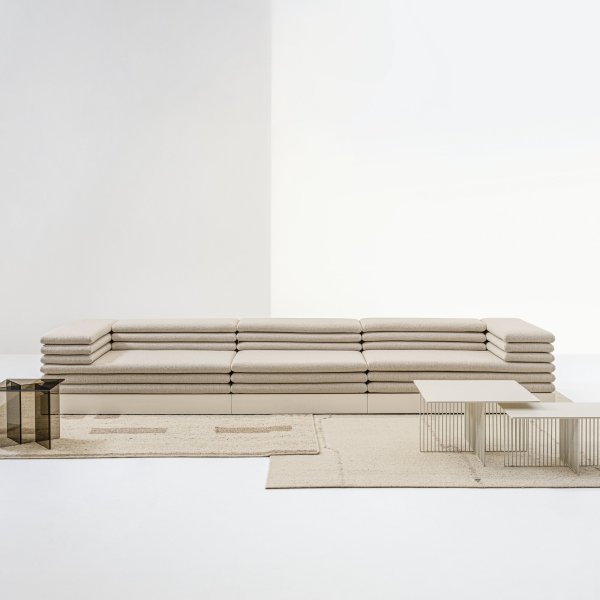
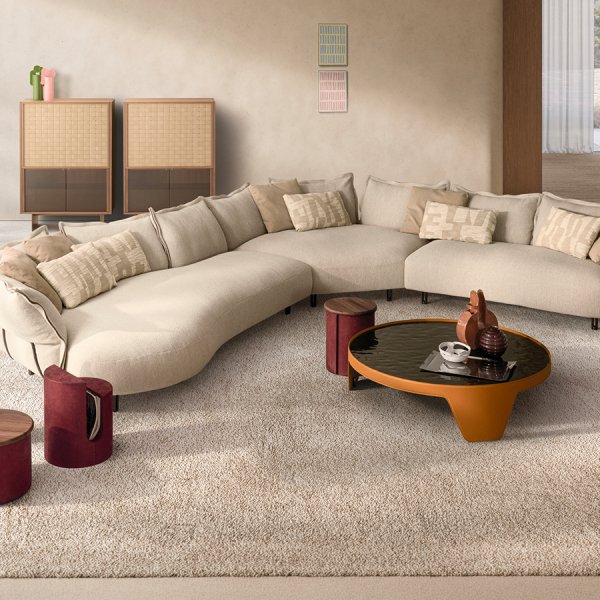
Acamante
£ 33,930
The sofa is the most scrutinised object in a British professional practice, because it furnishes the only conversations that happen without an agenda. Office sofas and lounge seating are where those unscripted conversations land: the client lounge where a nervous first instruction becomes a relationship, the breakout corner where two associates resolve in ten minutes what a meeting could not in an hour. An informal area that feels like an afterthought tells every visitor the firm only performs when it knows it is being watched.
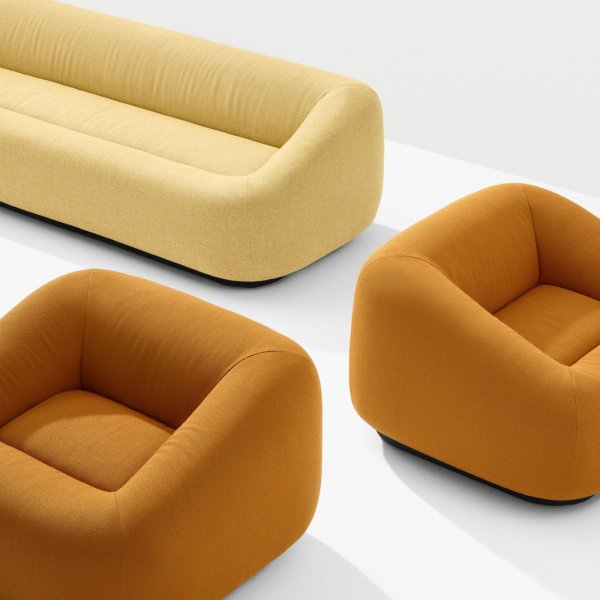
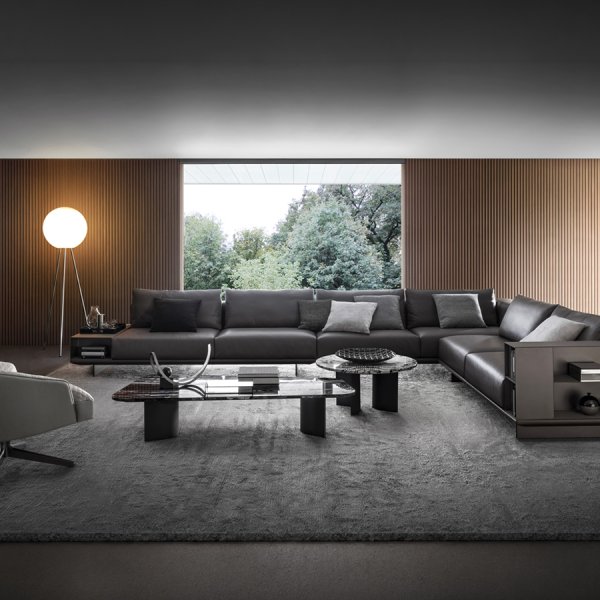
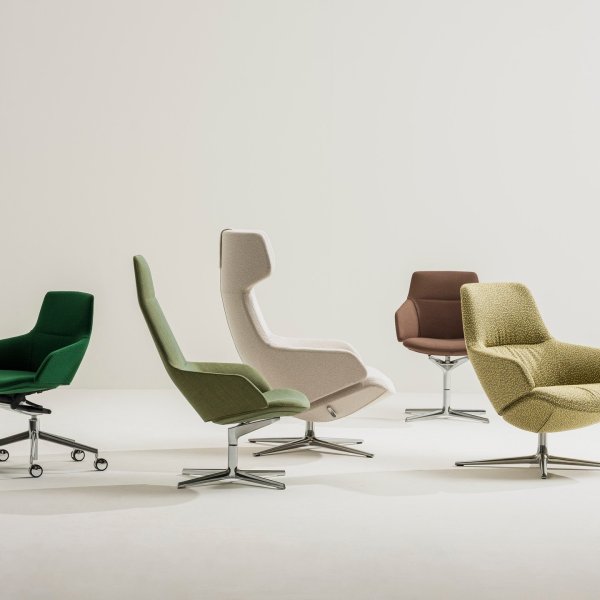
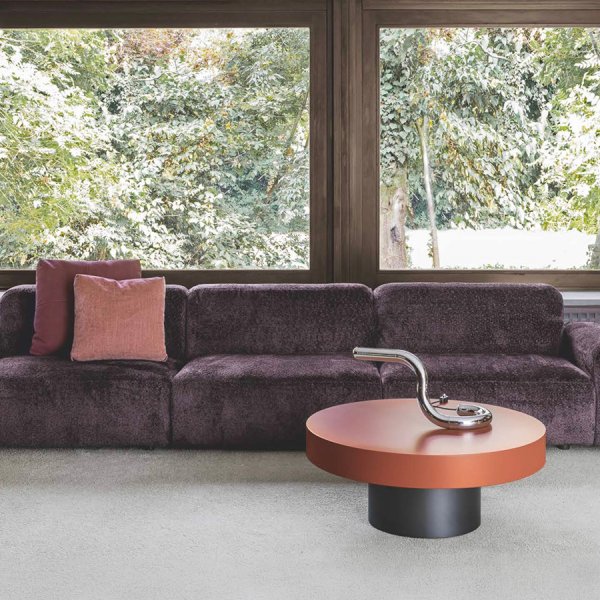
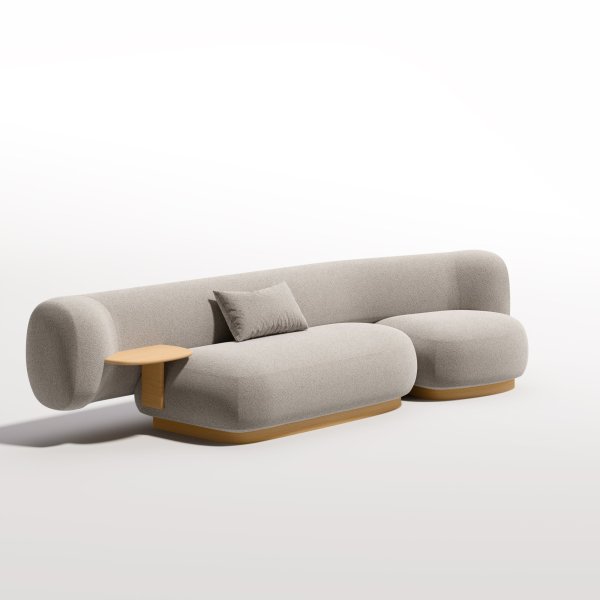
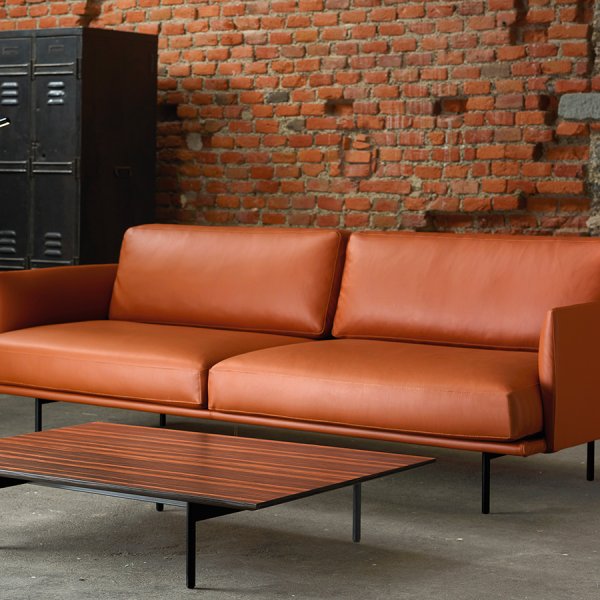
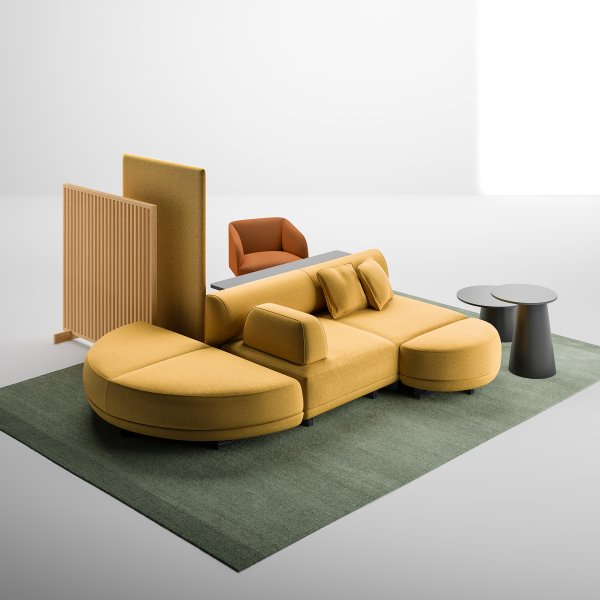
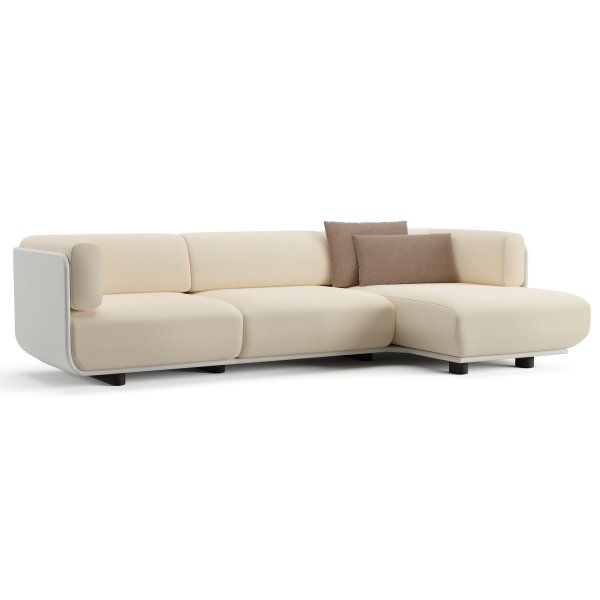
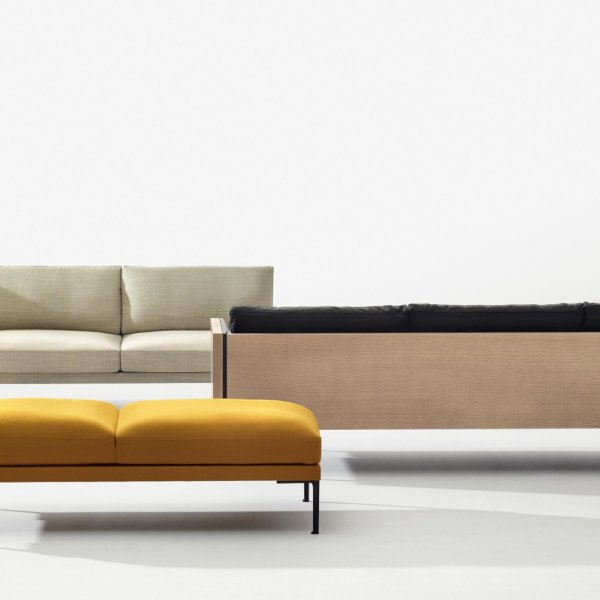
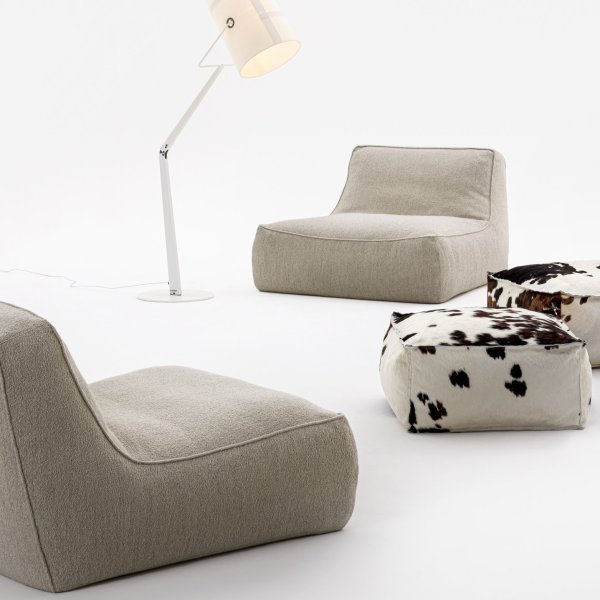
The collection here is Italian contract seating — modular sofas, lounge chairs, benches and chaises from producers such as Lapalma, Pedrali, Arper and Luxy — built on contract-grade frames and foams, upholstered in fabrics specified for commercial duty and for the fire safety requirements that apply to non-domestic upholstery in the UK. That distinction matters, because a residential sofa in a workplace fails twice: first on paper, then in plain sight, as the cushions collapse within eighteen months of real use.
La Mercanti supplies contract lounge seating from Italy’s principal producers, with fabric guidance, technical documentation and coordinated delivery across the UK. Tell us the space and the traffic; we will tell you what will still look deliberate in year five.
It does, and increasingly somebody checks. Upholstered furniture supplied into non-domestic settings in the UK sits under a stricter ignition-resistance regime than domestic furniture, and the evidence gets asked for: by landlords at fit-out approval, by insurers at renewal, by fire risk assessors doing their rounds. A residential sofa, perfectly legal in a living room, does not satisfy it — and the liability for that gap sits with the occupier, not with the retailer who sold the sofa.
Italian contract producers treat this as routine: seating destined for workplaces and hospitality is upholstered to the non-domestic ignition requirements as standard, with test documentation issued alongside the order. The operative point is timing. Request the certificates at specification stage and file them with the building’s O&M documentation, because retrofitting compliance to a sofa already on the floor means reupholstery or replacement, and the moment the paperwork is found missing is invariably the least convenient one.
The foam, almost always. Fabric takes the blame because it is what you see, but by the time a cover looks tired the seat beneath it has usually already collapsed. Domestic foams are engineered for a few hours of gentle evening use; a breakout sofa beside a busy tea point takes short, repeated, heavy loading all day long — people dropping into it, perching on the arms, working from the front edge — and low-density foam loses its structure under that regime well inside eighteen months. The suspension goes next, and then the loosened frame joints announce themselves to everyone within earshot.
The specification should therefore say three things in writing: contract-rated foams with the producer’s stated density and resilience class, a frame warranty measured in years rather than goodwill, and covers and seat cushions that can be replaced separately from the frame. That last clause is the quiet money-saver. A sofa that can be re-covered at year six costs a fraction of one that must be replaced because nothing on it was serviceable.
Same design language, different specification — that is the whole answer. Visitors move through both spaces, so a shared material register keeps the interior reading as one considered decision rather than two separate budgets. But the duties are opposite. A client lounge in a professional practice is low-traffic and high-stakes: it can carry wool upholstery, deeper comfort and finer detailing, because it is used gently and judged closely. The breakout floor is the reverse, with heavy traffic, coffee and food nearby and constant rearrangement, and it wants the heavier contract fabric grades, cleanable surfaces and modular pieces that tolerate being moved weekly.
The practical method is to choose one collection family that offers both registers, which the better Italian contract programmes do deliberately. The scheme stays coherent, the specification stays honest about use, and neither budget ends up subsidising the other’s mistakes.
Firmer and higher than the sofa most people would choose for home. Working posture on lounge seating needs a seat height around 430 to 450 millimetres, a moderate depth that lets the sitter keep both feet planted, and foam firm enough to stop the pelvis rolling backwards into the slump that makes twenty minutes of typing feel like an hour. Deep, low, soft seating is for decompression, reading and conversation, and it is very good at that; it is simply a different instrument.
The standard British mistake is buying one handsome, low, deep sofa and expecting it to do everything. What happens instead is observable in any office by mid-morning: people perch on the front edge to type, which is uncomfortable for them and ruinous for the foam. The fix costs nothing at specification stage — decide the posture for each zone first, then choose the seat geometry to match it, and let the deep lounge pieces live where nobody is expected to work.
Informal seating is the first line attacked when a Cat B fit-out runs over budget, because on paper it looks discretionary. It is not: the client lounge and the breakout floor do more reputational work per pound than most formal rooms in the building. This sequence writes the lounge section of the schedule so that the purpose, the performance line and the substitution criteria are all explicit — which is what decides whether the scheme that gets installed is the scheme that was designed.
Walk the floor plan and label every soft seating area by what actually happens there, before any product enters the conversation. In most British professional interiors the honest labels are four: the client-facing lounge, the collaborative breakout, the touchdown perch for short working stops, and the decompression corner people use to be briefly invisible. Each carries different requirements for posture, privacy and traffic, and a piece chosen for one will quietly fail in another.
The client lounge near reception is low-traffic and high-stakes: it wants composure, comfortable but upright geometry, and seat heights a senior visitor can rise from without performing a small gymnastic routine — a detail nobody mentions and everybody notices. The breakout beside the tea point is the opposite: heavy use, coffee, crumbs, and furniture that will be dragged into new arrangements monthly. Decompression seating belongs away from the primary sightlines, lower and deeper, where slouching is the intended behaviour rather than a failure mode.
Write these labels into the schedule as a rationale line against each item. A schedule that states what each piece is for is materially harder to value-engineer than a list of product codes, because removing the item now visibly removes a function.
This is the paragraph that stops a residential lookalike arriving on site under the flag of equal and approved. For each zone, state the minimums as requirements rather than preferences: contract upholstery duty appropriate to the traffic — the heavier grades, tested well beyond 40,000 Martindale rubs, for the breakout floor; ignition-resistance evidence for non-domestic upholstered furniture, with certificates supplied at delivery; contract-rated foam with the producer’s stated density and resilience; a named frame warranty; and covers that can be removed and replaced without replacing the piece.
Match fibre to duty while you are at it. Wool and wool-rich blends carry the client lounge with the right hand-feel and age gracefully; high-performance synthetics and treated blends belong where food, coffee and daily cleaning are facts of life. Note the cleaning code for each fabric in the schedule itself, because the facilities team will never read the producer’s website.
None of this adds cost at specification stage. It adds cost only to the substitute product that cannot meet it — which is precisely the mechanism you want working in your favour when procurement starts sharpening its pencil.
Teams change, headcounts move, and the lounge planned around this year’s structure will be asked to serve a different one within three years. Modular contract platforms — the programmes that Lapalma, Pedrali and Arper build precisely for this — turn that moment from a repurchase into a rearrangement. But modularity only works if the schedule captures it: specify the module dimensions, the connection hardware, the corner and end units, and the add-on elements such as intermediate tables, screens and power.
Integrated power deserves a deliberate decision rather than an afterthought. If laptops are expected on this seating, and in a hybrid office they are, the sockets need to arrive with the furniture layout rather than be trailed to it afterwards across a walkway.
Two practical clauses close the step. First, confirm with the producer that the collection is a continuing programme, so modules can be added in year three without a redesign. Second, note that fabric dye lots vary between production runs: order any spare covers with the original batch, or record formally that a later addition may read a shade apart. Both clauses cost a sentence now and a great deal more later.
A specification that names only a look will be substituted; one that names its evidence will not. Identify every piece by producer, collection, model, fabric code and colourway, and finish reference — never by description, which is an open invitation. Then define, in the schedule itself, what any proposed alternative must demonstrate: the same contract test evidence, the same fire performance documentation, dimensions within a stated tolerance, an equivalent frame warranty, and a physical sample submitted for review before the order is varied.
Request fabric samples and finish plates for the specified pieces too, and approve them under the building’s actual lighting, in the position the piece will occupy, rather than from a screen; ten minutes with a sample board, recorded formally against the schedule, prevents the most common post-installation disappointment there is.
Handled this way, the lounge section usually passes through procurement untouched. Not because anyone was persuaded by the design argument, but because every line was written so that the cheaper alternative had nowhere to hide.