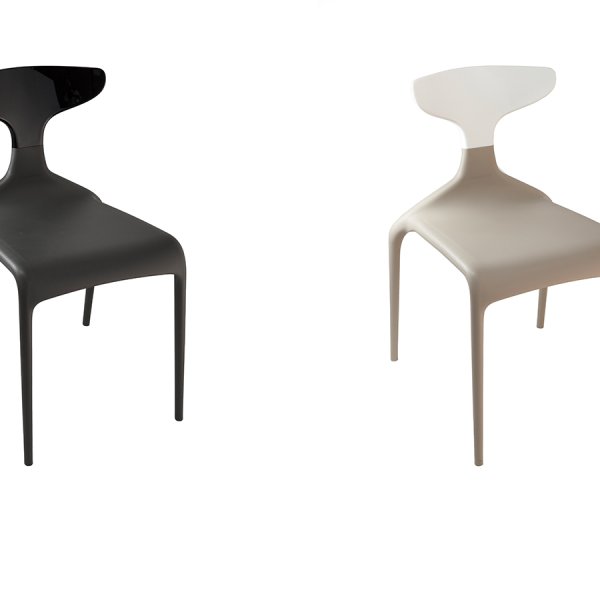
Brezza
£ 1,112
An iconic design chair is not a chair with a famous name attached; it is a chair that can hold a room on its own. British interiors have always understood this better than most — the single considered object in an otherwise restrained scheme is practically a national style. Designer chairs with real character do for a Clerkenwell studio reception or a Mayfair meeting room what artwork does, with the advantage that people get to sit on the argument.
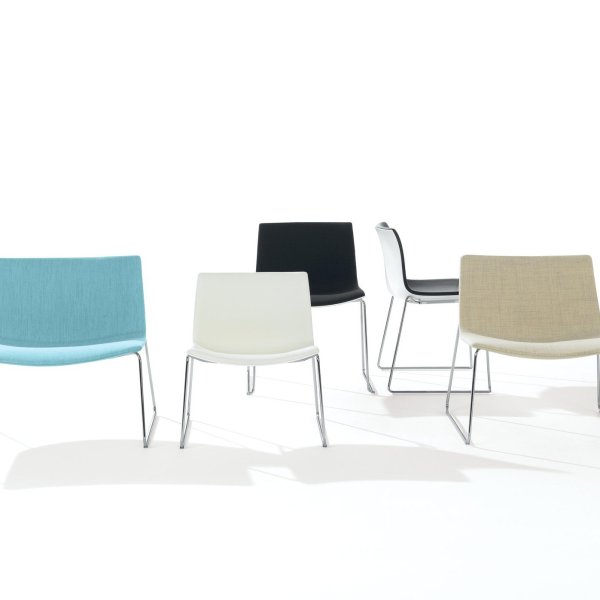
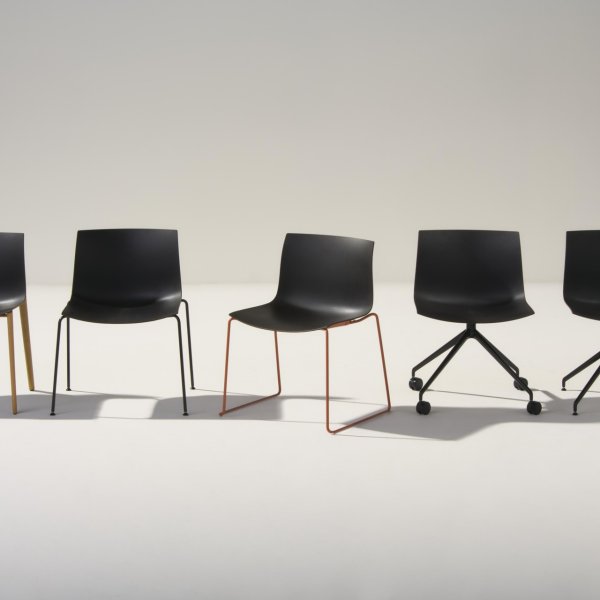
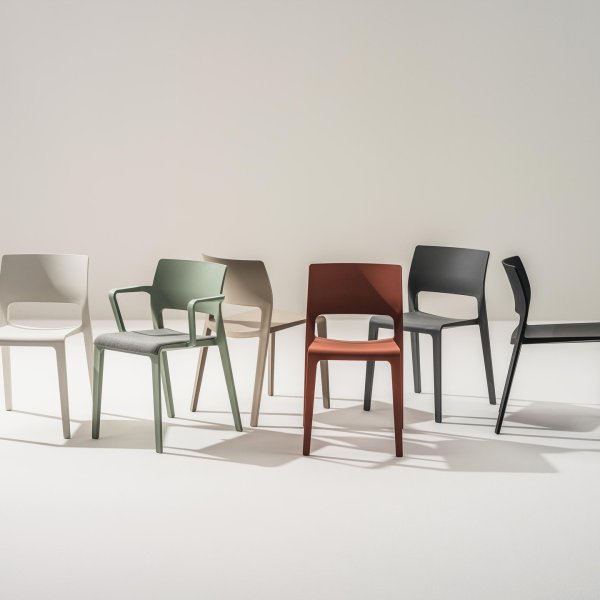
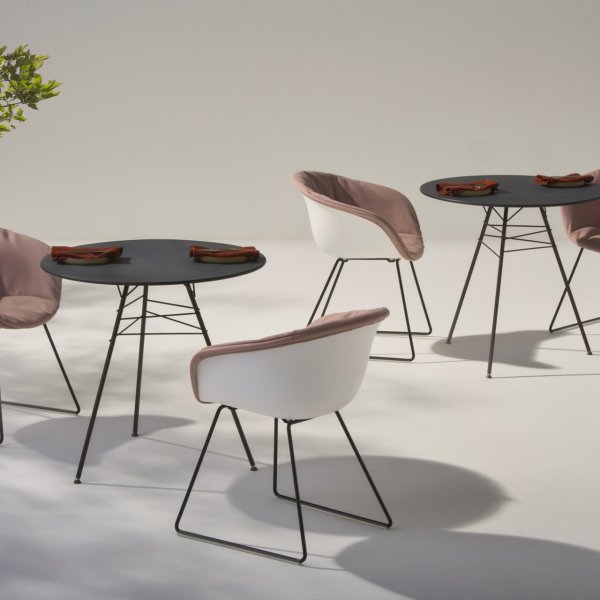
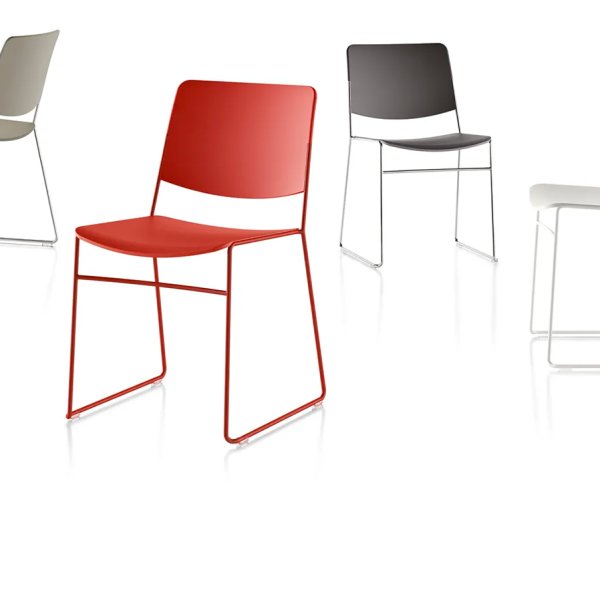
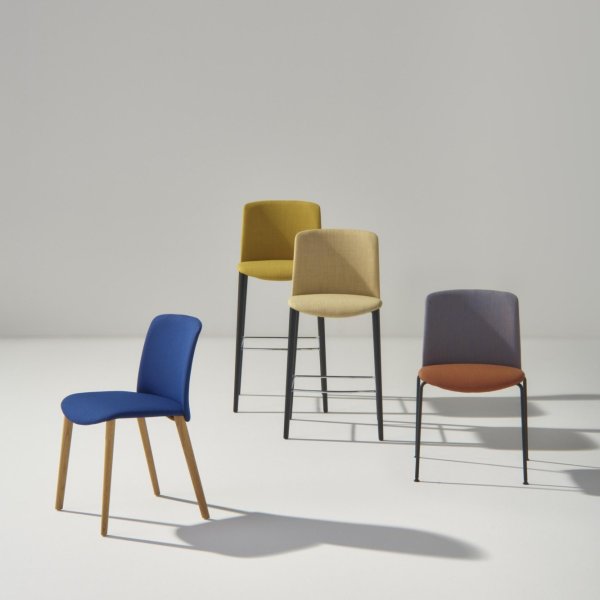
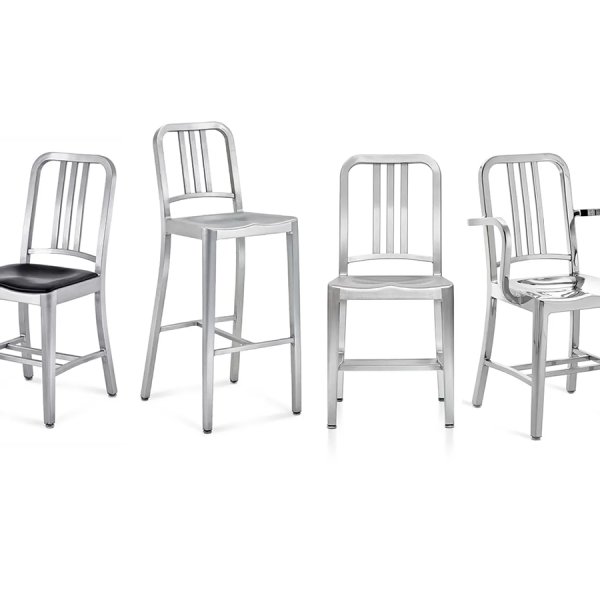
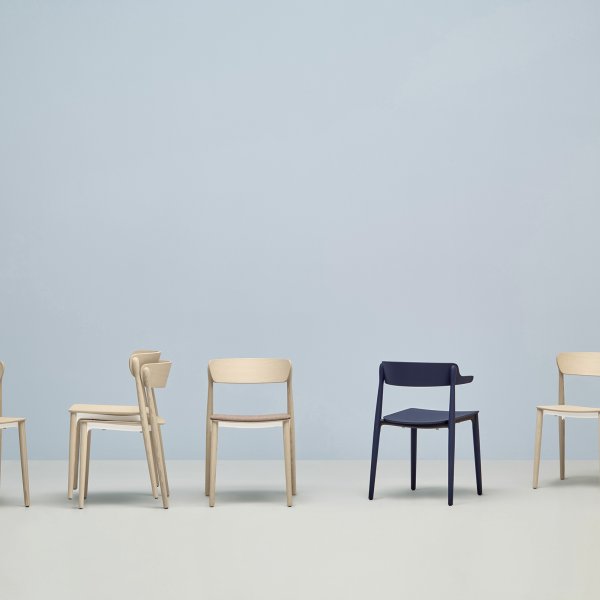
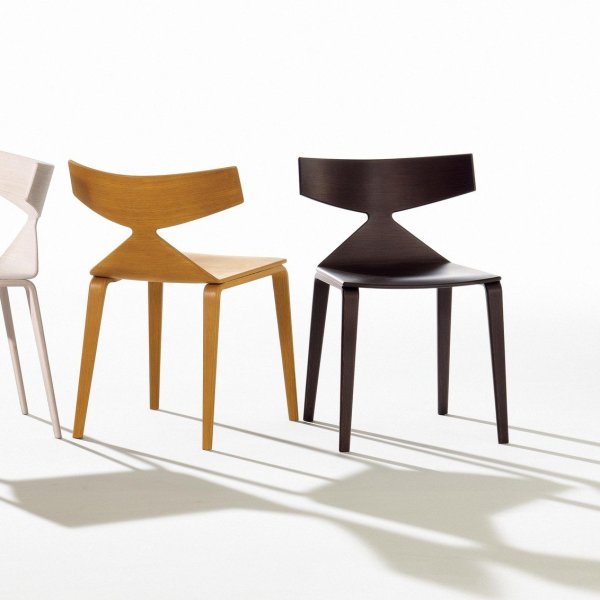
The collection gathers Italian design chairs with that kind of presence: authored pieces from producers such as Pedrali, Lapalma, Arper and Luxy, built in contract-grade construction — because a chair with character that cannot take daily use is a prop, and props get found out. Turned timber, steel rod, moulded shells, saddle leather: the materials do the talking, quietly, which rather suits the British room.
La Mercanti selects and supplies iconic Italian chairs for offices, hospitality and residential projects across the UK, with finish samples, technical sheets and specification support. One authored chair, correctly placed, will carry more of the scheme than its budget line suggests.
One per sightline, as a working rule — and most rooms only have one sightline that matters. An iconic chair works by contrast: it needs a supporting cast that recedes, surfaces that behave, and enough visual quiet around it for the silhouette to register. Put two authored pieces with strong personalities in the same view and they stop being choices and start being indecision; the eye ricochets between them and settles on neither. This is why the best British professional interiors feel edited rather than furnished.
The allocation method follows from the rule. Count the sightlines that carry reputational weight — the view from the entrance, the seat a client takes while waiting, the head of the boardroom table — and place one piece of genuine character on each, letting everything else in frame play the ensemble role. Budget by sightline rather than by room and the numbers usually resolve themselves: fewer icons, better ones, correctly placed, with the rest of the scheme paid for out of the restraint.
The professional answer is no, and it holds up on practical grounds before anyone reaches the ethical ones. A replica copies a silhouette, not a construction: shell thickness, weld quality, foam grade and finish durability are exactly the places where the missing money went, and they are also exactly the places where the chair will fail in use. There is no contract certification behind it, no meaningful warranty, and usually no upholstery tested for non-domestic fire requirements — which makes it a liability in a workplace quite apart from a disappointment. The legal position on selling copies of protected designs in the UK has also tightened considerably over the past decade, and the specifier’s name is the one attached to the schedule.
If the budget will not stretch, the honest route is a well-authored contemporary piece at an accessible level — the Italian contract catalogues are full of them — rather than a compromised copy of an expensive one. A modest original outranks a counterfeit ambition every time.
They survive, provided you buy the contract version — and the better Italian producers build one deliberately. The suspicion that design equals fragility is mostly a hangover from mid-century collectables; a current authored chair from a serious contract catalogue is engineered, tested and certified for commercial strength and durability, offered in contract fabric grades, and frequently available in stacking or linking variants that no museum piece would tolerate. The silhouette in the reception and the silhouette in the producer’s test laboratory are the same object.
The check is straightforward: confirm the producer’s contract rating for the specific model, specify the fabric at the duty grade the location demands, and ask for the test documentation with the order. If a piece exists only in domestic specification, place it where sitting is occasional and supervised — but treat that as the exception it is, not as a rule about design chairs in general.
The modern piece usually wins, and the best heritage interiors in Britain have been proving it for decades. Strong period architecture — a panelled Georgian room, a Victorian warehouse conversion, a former banking hall — does not want costume drama; reproduction furniture flatters neither the room nor the occupant, and reads as a theme rather than a decision. A single contemporary authored chair set against original mouldings creates the tension that makes both look intentional, which is the effect every good fit-out in a period building is chasing.
The discipline is in the material register rather than the era. Rooms with heavy original timber and stone take chairs in leather, saddle hide, turned wood and brushed or blackened metal far more gracefully than high-gloss plastics, which can look like a visitor who misread the invitation. Choose materials that speak to what the building is made of, and the two centuries between the walls and the chair become the point rather than the problem.
Most failed statement chairs in British interiors were not the wrong chair. They were the right chair, wrongly handled — placed off the sightline that mattered, treated as sculpture rather than seating, finished to fight the room, or bought as an image rather than an object. These four mistakes almost always happen in this order, which means they can be prevented in this order. Work through them before the order is placed rather than after the room is photographed.
The first error happens before any catalogue is open: deciding that a room deserves an iconic chair without deciding where the eye will find it. A statement piece placed off the primary sightline is an expensive way of furnishing a corner; the same piece on the axis a visitor actually follows — through the entrance door, from the reception desk, from the seat where a client waits — carries the whole scheme.
So establish the sightline first, physically. Stand in the doorway, sit where the visitor sits, and note where the eye lands without being directed. That position, its viewing distance and its background determine everything that follows: a chair read from six metres needs a bolder silhouette than one discovered at two, and a busy backdrop of shelving or glazing will swallow a delicate frame that a plain wall would flatter.
A stand-in helps more than a rendering. Put an ordinary chair, a box, anything of roughly the right mass on the candidate spot for a day and watch whether attention actually goes there. If it does not, no amount of Italian design culture placed on that spot will change the geometry. Move the position, not the ambition.
The second error is specifying a chair nobody is ever expected to sit on. Interiors are used by real people at their least ceremonial: the statement chair will receive the heaviest visitor on the wettest day, coats will be dropped over it, and someone will eventually eat lunch in it. A piece that cannot take this is not an icon, it is a prop — and props are found out quickly, usually in front of the very audience they were bought to impress.
Test it as furniture. Sit in it for twenty minutes rather than twenty seconds: check the seat height suits the setting, that rising from it is graceful, that the armrests do not trap the sitter against the table edge. Then verify the engineering behind the silhouette — the producer’s contract rating for the model, the strength and durability testing, the fabric duty grade, the warranty terms. The better Italian producers publish all of it, which is itself a signal worth reading.
Where a piece exists only in domestic specification, be honest about placement: it can live where sitting is occasional and brief, but it cannot anchor a working reception. Comfort is not the enemy of character. In seating, it is the evidence of it.
The third error is chromatic and material: choosing the finish from the producer’s photography rather than from the room. Italian catalogues are shot in Mediterranean light; British interiors operate under low grey daylight for half the year, supplemented by LEDs of varying temperature. A colour that sings in the photograph reads darker, cooler and often flatter in a London or Manchester interior, and a high-gloss surface that looked crisp on screen can become a mirror for every window in the room.
Order the finish plates and fabric samples, and judge them in the actual space, at the actual position, at two different times of day. Set them against what the room is already committed to — floor, joinery, wall colour, the metal finishes of the door hardware — because the chair will be read with them, never in isolation. In period buildings this is doubly true: heavy original timber and stone want leather, wood and brushed or blackened metal rather than laboratory plastics.
The rule of thumb that survives every project: when two finishes both work, take the quieter one. A statement chair makes its point through silhouette and material honesty. Colour shouting is a different, cheaper trick.
The final error is commercial: approving a picture rather than a product. Before signing, confirm exactly what is being bought — producer, model name, the designer attribution as the producer states it, and whether the quoted piece is the contract or the domestic version of the design. The two can look identical and behave very differently, and the price difference between them has a habit of explaining itself around year three.
Assemble the paperwork while the order is still a draft: contract test documentation, fire performance evidence for the upholstery where the setting requires it, warranty terms in writing, and the fabric and finish codes recorded on the order itself rather than in an email thread. If the chair is offered from stock at a price that seems generous, ask which production run and which specification it comes from; a legitimate answer arrives quickly, and any other kind of answer is the information you needed.
Inspect on delivery against those codes before the packaging leaves the building. An authored chair bought this way arrives as an asset with a provenance — which, in a professional interior, is quietly part of what it is for.