AL/23
£ 714
In a high-performing workplace, the washroom and pantry are no longer “back of house”. They’re brand touchpoints — moments where clients, candidates and leadership feel the standard of the company in a single interaction.
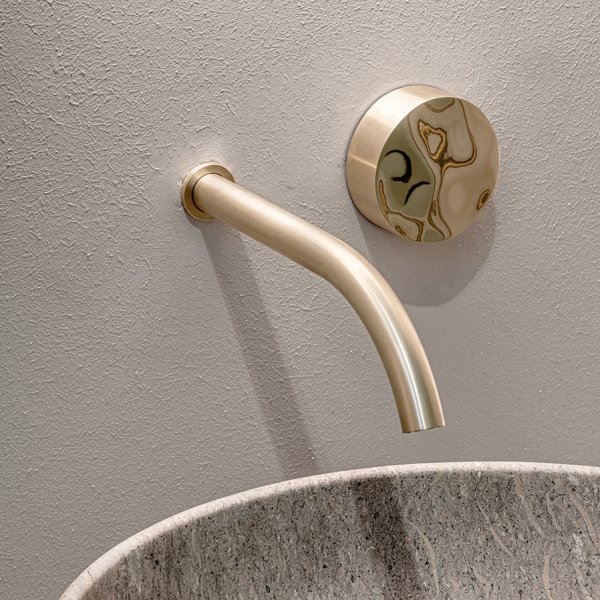
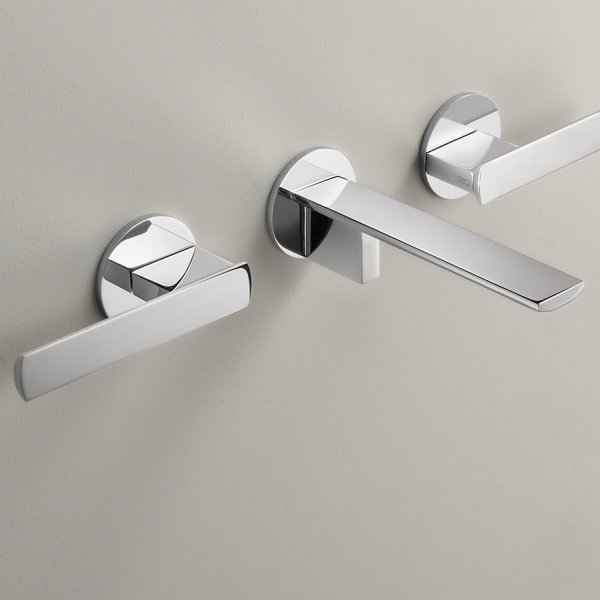
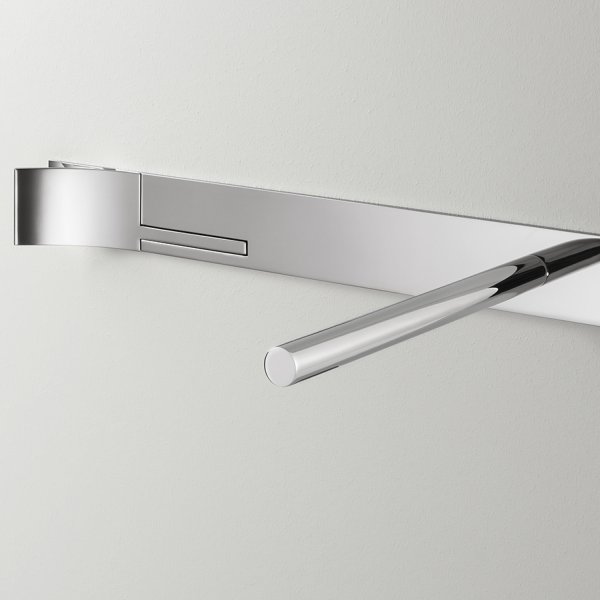
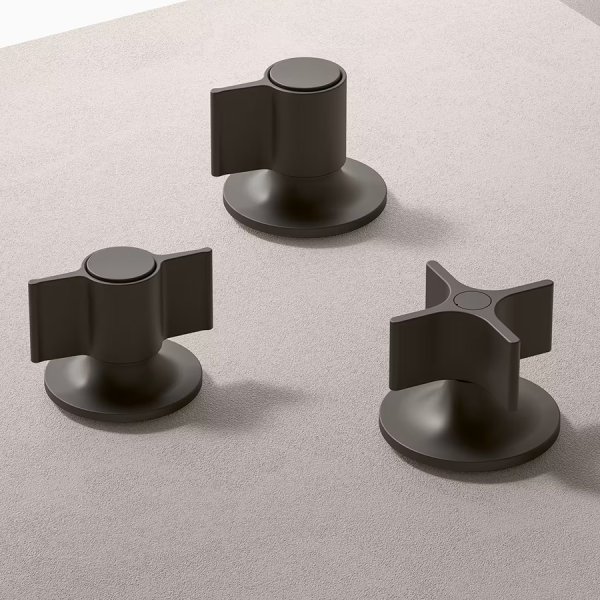
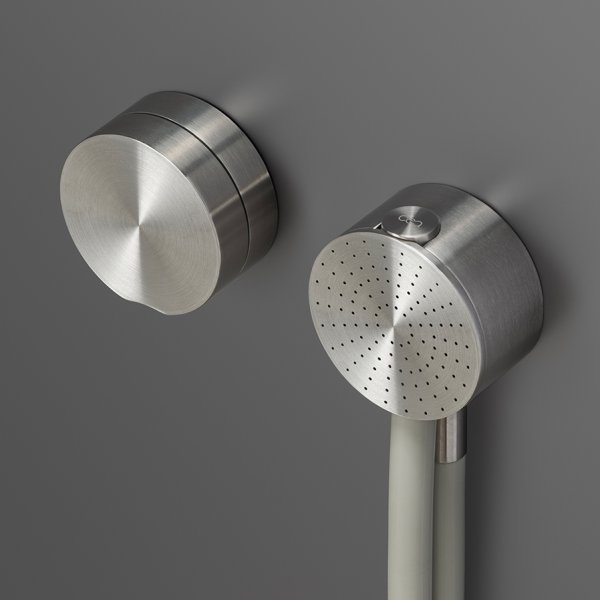
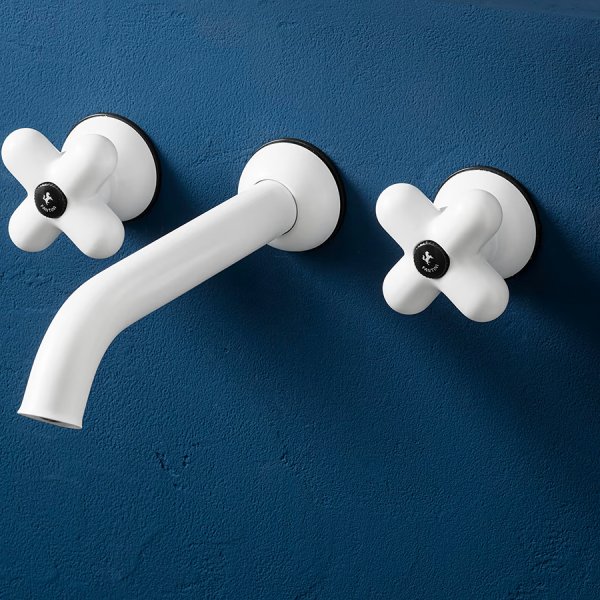
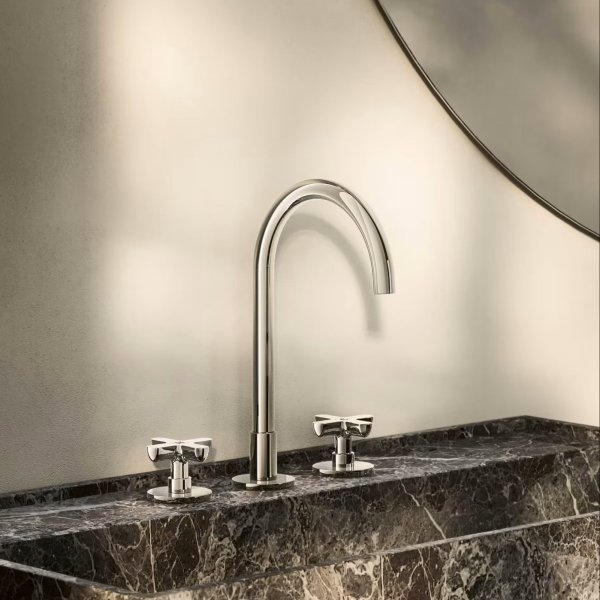
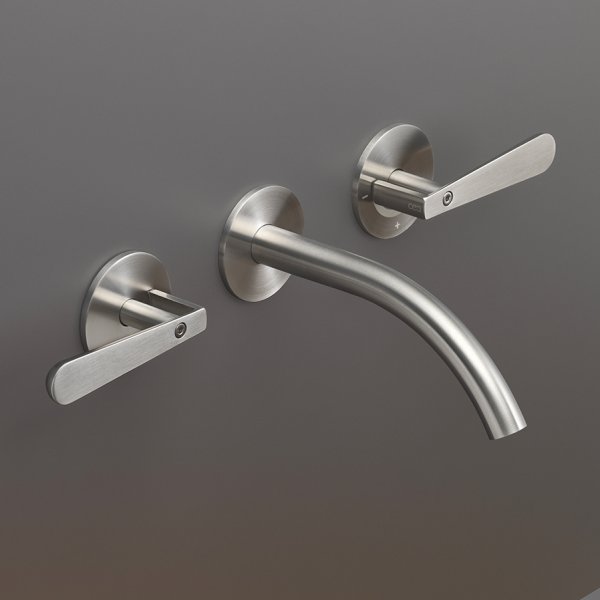
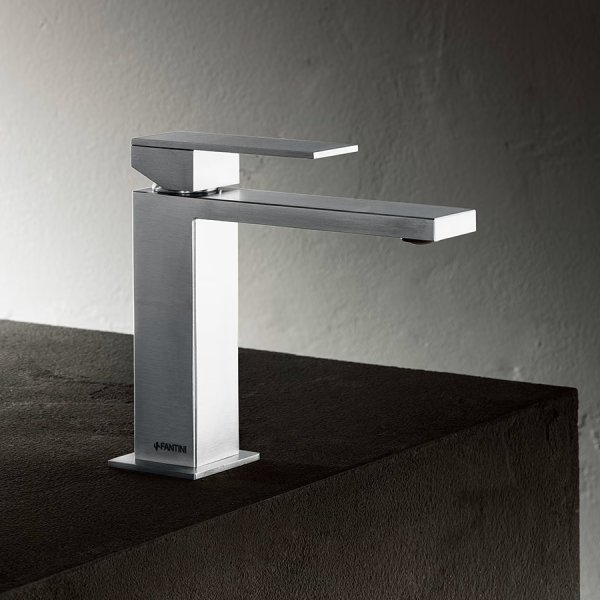
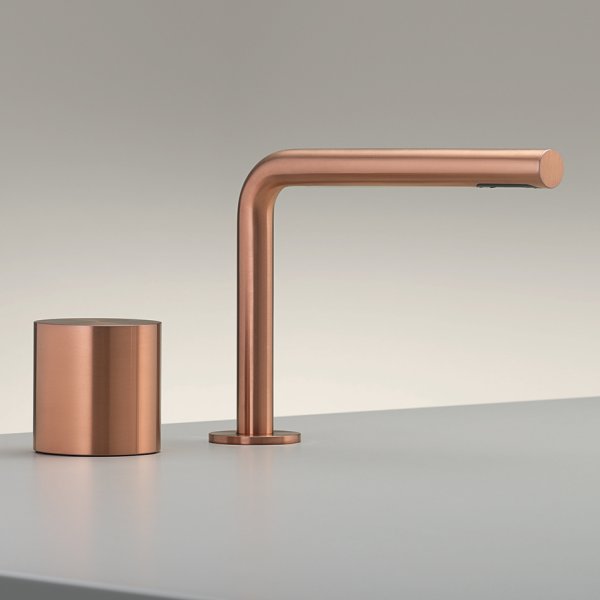
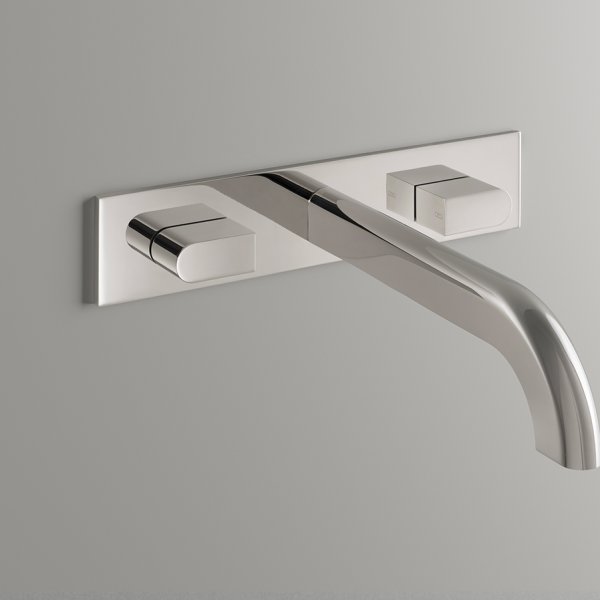
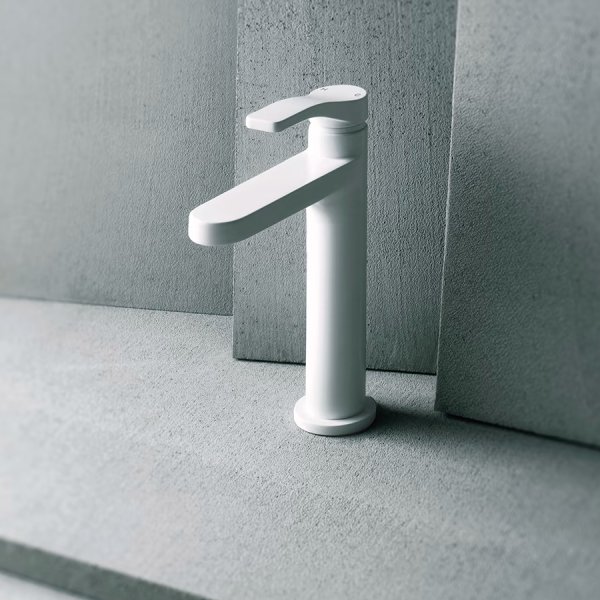
La Mercanti’s Architectural tap selection is built for that level of expectation: pure geometry, minimal profiles, and an architectural approach that treats a tap as a design element — not a commodity. You’ll find refined finishes and engineered materials chosen for real-world use: from high-grade brass collections to selections in stainless steel (AISI 316L) and durable PVD finishes designed to hold their look under frequent cleaning and high traffic.
This isn’t only for washrooms. The same language works beautifully across executive WCs, reception washrooms, pantry/kitchenette zones, and breakout bars — creating one coherent, premium material story — ceramic tiles included — throughout the workplace.
Specify with confidence: we can support you with finish guidance, specification packs and quote-ready configurations.
Rather more than most fit-out budgets reflect. The washroom is the only space in an office where a visitor is alone, without the visual context of furniture, art, or people — and it's where physical contact with the building actually occurs. In that moment, the hand on the tap becomes the only data point available. Research in environmental psychology (notably work by Lewicka, 2011, on place attachment and material quality) suggests that tactile experience disproportionately influences recalled quality assessments. A client who touches a tap with the right weight and movement registers something they won't articulate but won't forget. One who turns a stiff, light fitting registers the same — in the opposite direction. The washroom isn't a finishing detail. It's often the lasting impression.
Three things that most specs omit. First: body material with grade, not just 'stainless steel' — specify 'AISI 316L' or 'CW617N brass' to prevent substitution with inferior alloys. Second: cartridge cycle rating with reference standard — EN 817 or EN 200 certified products declare 500,000 cycles; non-certified products don't, and that gap is legally indefensible in a tender. Third: finish method — 'PVD' and 'electroplated chrome' are not interchangeable despite appearing similar in photography. A spec that reads 'PVD matte black, minimum surface hardness 1,800 HV Vickers' cannot be substituted with standard plating without explicitly violating the specification. With these three lines in a tender document, the designer has a technical argument rather than an aesthetic preference — and technical arguments are considerably harder to override.
The conventional answer is to concentrate spend in client-facing areas. The better answer is to think about who notices what, and when. Staff use the kitchenette taps fifty times a day. They never use the executive washroom. The message that a business sends to the people who actually build its culture is delivered primarily through the spaces those people inhabit — and a tap they interact with constantly is doing considerably more communicative work than one a client touches twice a year. The most coherent fit-outs aren't necessarily the most expensive in any one room. They're the ones where the same formal language — the same proportions, the same finish logic, the same weight of movement — runs through all the spaces. Most Italian contract brassware ranges include a simplified 'back-of-house' variant at a reduced price point that shares the DNA of the premium line. The effect is visual and tactile coherence without a uniform budget. That's worth discussing early in a project, before rooms get allocated different specification tiers.
This is less obvious than it sounds, and almost nobody puts it this way in a brief. There is a principle in environmental design sometimes called the 'weakest link effect': the perceived quality of a space is determined not by its average standard but by its lowest point. A room with excellent furniture, considered lighting, and a substandard tap reads as a room where someone gave up. The tap becomes the evidence for a verdict that encompasses everything. The inverse is also true, and it's where the opportunity lies.
In any office fit-out, the surfaces that are actually touched — as opposed to seen — are: door handles, chair arms, and taps. Everything else is visual. When you're reviewing where quality investment produces disproportionate perceptual return, start with those three. Improving one of them has a multiplier effect on how the whole space is experienced.
Most fit-outs arrive at brassware late — it's treated as a sanitary-ware specification detail rather than a design decision. The problem is that by the time the room finishes are confirmed, the brassware has already been allocated a residual budget rather than a considered one. Reversing that sequence — choosing the tap family first and working the finish palette around it — produces more coherent results and is almost never more expensive.
The most effective approach in contract brassware isn't to specify the same product everywhere. It's to specify products from the same family throughout. A well-designed Italian brassware range will typically offer three or four models at different price points — all sharing proportions, finish options, and lever geometry. The executive washroom gets the full specification; the kitchenette gets the simplified version. Both register as part of the same considered whole. The cost difference is usually 30–40 per cent between tiers within the same family. The visual and tactile coherence is preserved almost entirely.
A WRAS-approved, AISI 316L or PVD-finished fitting installed correctly has a service life of 25–30 years in commercial use, with no surface deterioration. A chrome-plated brass fitting, replaced at year 12–15 when the finish fails, costs the building owner the original purchase price plus the cost of replacement: labour, disruption, and the second product. That second purchase, in a commercial context, will be at a higher price than the original. Present the lifecycle calculation at the point of specification, before the budget gets allocated, and the premium fitting almost always wins the argument on its own terms.