Pausit bench by Arper in a busy public concourse, five-unit configuration

Heavy-duty public use: the five conditions Arper spells out for Pausit

Arper
Visitor chair
Pausit Visitor chair
£ 7,371

What did you have in mind?

Trade terms for professionals and design studios

Specifying seating for an airport concourse or a hospital corridor is not the same job as furnishing a meeting room, and the paperwork usually pretends otherwise. The Pausit documentation does not. It draws a line between ordinary domestic, commercial or office use and what it calls heavy-duty collective public use, and it lists the five conditions that put an installation on the far side of that line — a single one is enough.

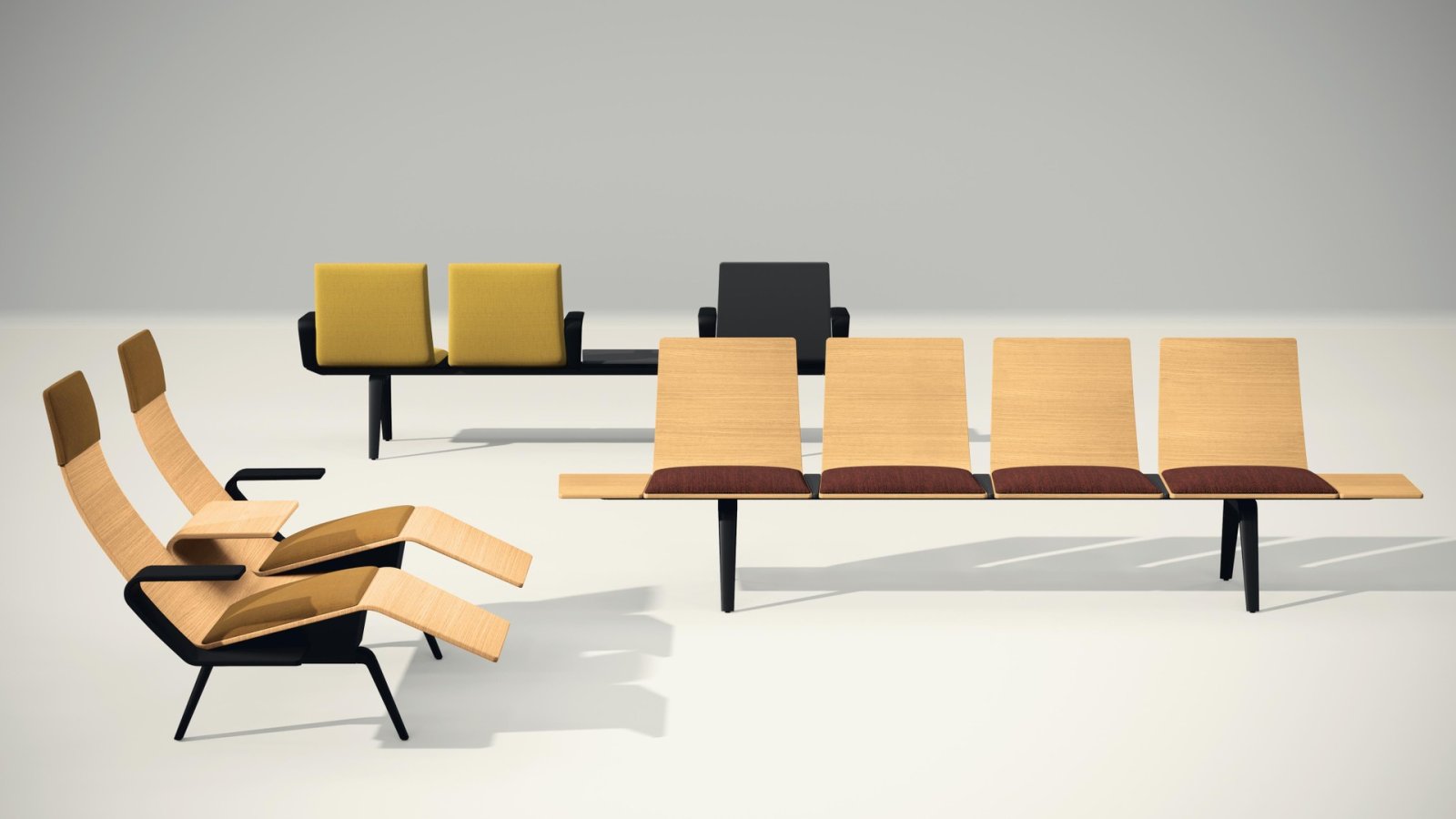
They read like a survey of everything that goes wrong in a busy building: constant plug and un-plug cycles that wear out the contacts; improper mechanical stress, from accidental impacts to cables violently pulled, trodden on or sharply bent; critical environmental conditions such as dust, debris, industrial cleaning residues and sudden temperature swings; the risk of vandalism or tampering, including foreign objects pushed into the socket; and fire safety. Behind the honesty there is a waiting bench designed by Lievore Hary in 2025, built on a metal frame with cast aluminium armrests, available in three, four or five units. Beyond reception it works in bars and restaurants, in hospitality and contract schemes, in collaborative areas and in airport halls, down to a single unit in a home office. La Mercanti sizes each composition against the room and follows specification, delivery and installation.

Technical information based on data declared by the manufacturer.

Design: Lievore Hary, 2025, for Arper.

Waiting structure: metal frame, powder-coated aluminium legs with height-adjustable glides, side and intermediate armrests in die-cast aluminium. Available in three, four or five units, hosting seat modules and a central or intermediate table.

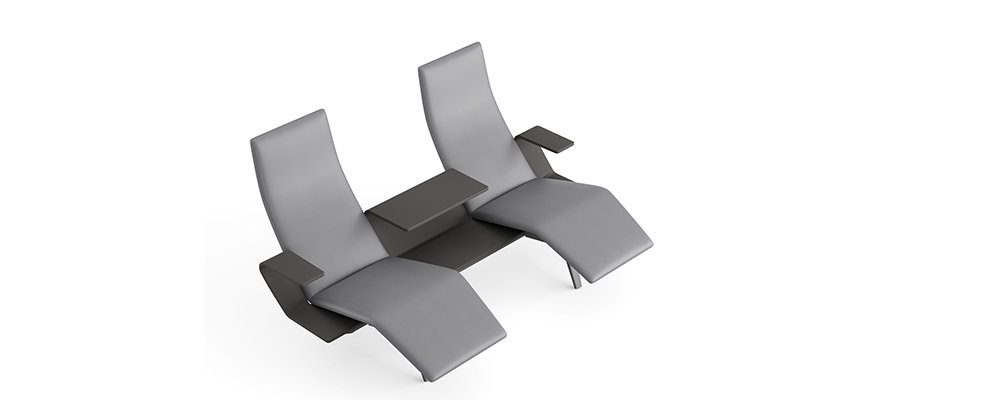
Lounge structure: same frame with side armrests and intermediate table, hosting two chaise longue modules.

Seat module: plywood with oak-effect laminate or black anti-fingerprint laminate. Three variants: exposed, with seat cushion, or fully upholstered in fabric, leather, coated fabric or customer's own material. The upholstery is separable, replaceable by technical personnel and applied without glue.

Chaise longue module: same finishes; exposed, with seat cushion and headrest, or fully upholstered.

Electrification: Pix accessory by Bachmann, USB version. Supply 230 V ~ 50 Hz 16 A, insulation class II, protection rating IP20. Installation is reserved to a qualified technician, in compliance with the regulations in force in the country of installation.

Standard: EN 16139 — Furniture, strength, durability and safety, requirements for non-domestic seating. Level L1 general use; level L2 extreme use.

Applications: reception and waiting areas, offices, hospitality, contract projects, collaborative spaces, bars and restaurants, high-traffic public buildings.

Maintenance: regularly check that all connecting fastenings are securely tightened.

La Mercanti Srl — trusted supplier for design and contract projects since 1997.
San Benedetto del Tronto (AP), Italy · +39 0735 753833 · info@lamercanti.com
Supply, quotations, specifications and project support across the UK and worldwide.

Tell us which finishes you'd like to assess

£ 170

Fully redeemable against your first order

FAQ

What counts as heavy-duty collective public use?
The manual is explicit: any location with high footfall or open to the public where mechanical, environmental or electrical stress exceeds ordinary use. One condition out of five is enough to qualify — you do not need all of them.
Is vandalism really part of the specification?
It is. Protection against tampering and against foreign objects being pushed into the socket outlets is listed as one of the five conditions, alongside fire safety. Few furniture documents put it in writing.
Can the bench be electrified after installation?
Electrification is not a retrofit accessory you clip on. It uses the Pix unit by Bachmann and must be installed by a qualified technician in compliance with local regulations, so it belongs in the order specification.
Which standard applies to this bench?
EN 16139, covering strength, durability and safety for non-domestic seating, with level L1 for general use and level L2 for extreme use.
How many seats does one bench hold?
The Waiting structure comes in three, four or five units. Units are filled with seat modules and, where required, a table — so the seat count depends on the composition you specify.

How to brief a Pausit installation for a high-traffic building

Five checks that separate a bench that survives ten years in an airport from one that looks tired after eighteen months.

Classify the site before you classify the product
Walk the space and test it against the five declared conditions: footfall, mechanical stress, dust and cleaning regime, tampering risk, fire safety. One match and you are in heavy-duty territory.
Write the socket into the drawing
If power is needed, mark the position of the Pix by Bachmann unit on the layout and route the supply before the floor finish goes down. Retrofitting a cable in a public hall is expensive.
Name your installer early
The electrical work must be carried out by a qualified technician in line with national rules. Agree who that is with the main contractor at tender stage, not on delivery day.
Pick the finish for the cleaning contract
In heavy footfall the black anti-fingerprint laminate is a maintenance decision as much as an aesthetic one. Share the choice with whoever writes the cleaning schedule.
Diarise the fastening check
The manufacturer asks for periodic checks that all connecting fastenings are tight. Put it in the building's planned maintenance calendar, not in someone's memory.

You May Also Like