G7
£ 8,260
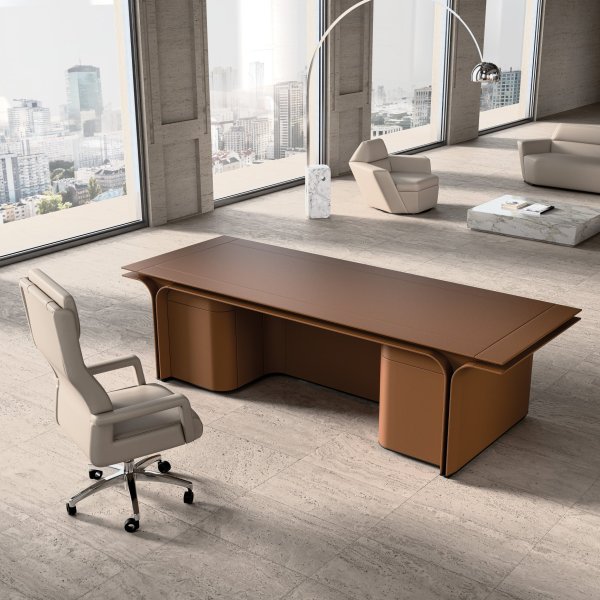
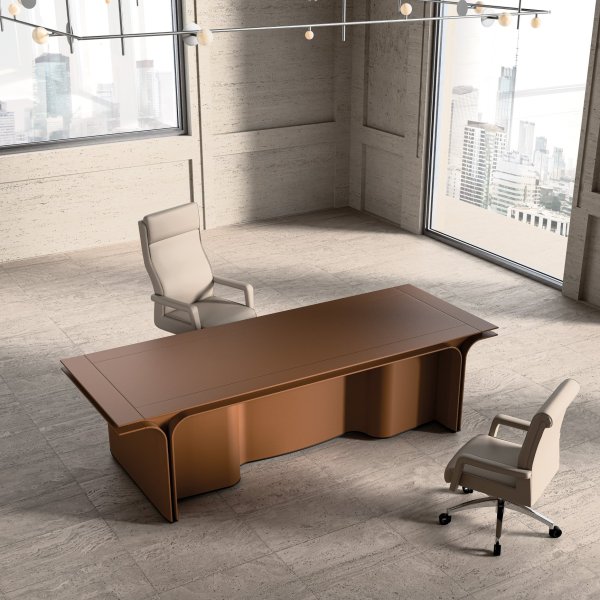
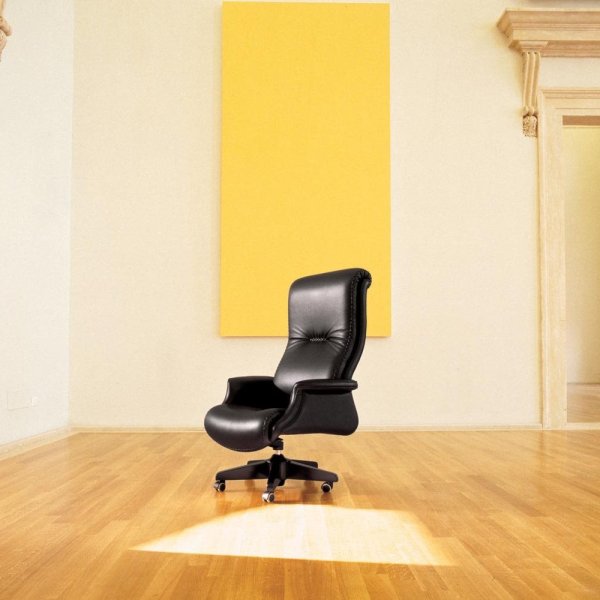
Few workshops speak two dialects with equal fluency. Mascheroni does: a Heritage line that carries the classical grammar of the executive office, and a Contemporaneo line that strips it back to clean volumes — both drawn from the same hands in Cabiate, in Italy's Brianza furniture district. What began roughly fifty years ago as a small laboratory became, in the 1980s, a name recognised well beyond Italy, without ever leaving hand assembly behind.
That range lets one brand answer two very different briefs — a traditional boardroom and a pared-down leadership floor — with the same leather-and-solid-wood quality. La Mercanti specifies Mascheroni abroad with real hide and timber samples, so an international project can choose its language and still receive the Cabiate standard of finish.
Heritage is Mascheroni's classical executive language; Contemporaneo is its pared-back, modern one. Both share the same hand assembly. La Mercanti advises which line fits an international brief.
Yes: the two lines let Mascheroni furnish a classical boardroom or a minimal leadership floor with the same leather-and-wood quality. La Mercanti aligns the choice to the project.
Choosing the right line for an international executive project.
Decide whether the office calls for a classical or a contemporary register.
Heritage for tradition, Contemporaneo for restraint — both hand-assembled in Cabiate.
Choose hide and solid-wood finish on real Mascheroni samples supplied by La Mercanti.
Match the presidential desk with executive chairs and tables in one register.
La Mercanti sequences freight and installation to keep the two-line project consistent.